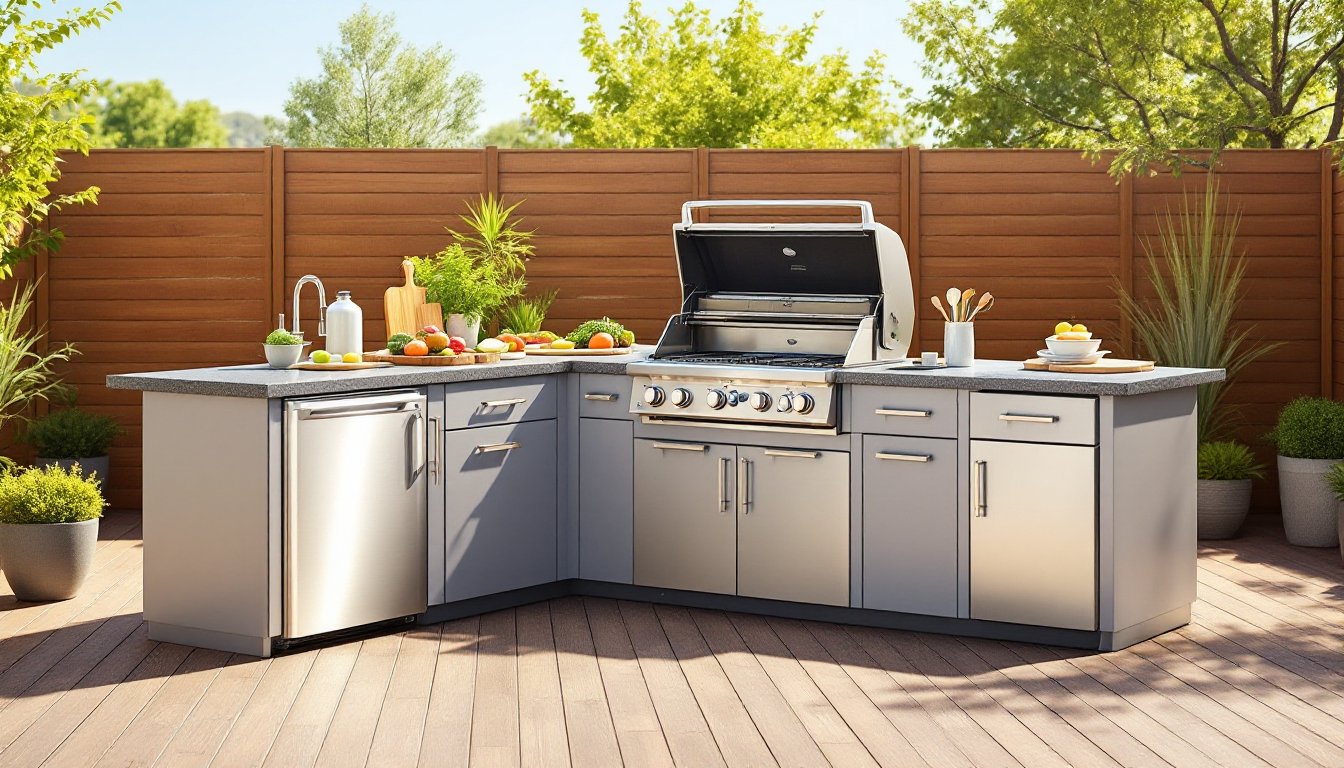
An outdoor kitchen set transforms a backyard into a functional cooking and entertaining space without the hassle of custom construction. Unlike piece-by-piece builds that require weeks of planning and coordination, these pre-configured or modular systems arrive ready to assemble, offering everything from grills and burners to cabinets and countertops in one package. They’re designed for homeowners who want the convenience of outdoor cooking without hiring a contractor or navigating complex building codes. Whether someone’s working with a compact patio or a sprawling deck, the right outdoor kitchen set delivers durability, efficiency, and style, if they know what to look for.
Table of Contents
ToggleKey Takeaways
- An outdoor kitchen set provides pre-configured cooking and storage solutions that eliminate the need for custom construction, allowing homeowners to transform their backyard in days instead of weeks.
- High-quality materials matter for durability—choose 304 or 316-grade stainless steel for corrosion resistance, 18-gauge or lower thickness, and marine-grade polymer cabinets to ensure your outdoor kitchen set lasts 15–20 years rather than deteriorating in a few seasons.
- Proper foundation and utility planning prevent costly mistakes; invest in a 4-inch concrete pad, plan gas and water line installations with licensed professionals, and verify local building codes before purchasing to avoid surprises during installation.
- Modular outdoor kitchen sets offer DIY-friendly assembly and portability, while built-in installations deliver a more custom appearance and better weather protection, so choose based on your skill level, budget, and long-term design goals.
- Match your outdoor kitchen set size to actual cooking habits and available space—measure twice accounting for grill lid clearance and walkway requirements, then select a configuration that supports your entertaining style without wasting money on unused capacity.
What Is an Outdoor Kitchen Set?
An outdoor kitchen set is a cohesive collection of weather-resistant appliances, cabinetry, and countertops designed for exterior use. Most sets include a primary cooking surface (typically a grill or griddle), prep space, and storage, though configurations vary widely.
Unlike standalone grills, these systems integrate multiple functions into a single footprint. A basic set might pair a built-in grill with a small side burner and enclosed cabinet. Mid-range options add refrigeration, sinks with plumbing hookups, and extended counter runs. High-end sets can include pizza ovens, warming drawers, and modular islands that reconfigure based on layout needs.
They’re built from materials engineered to handle sun, rain, and temperature swings, usually stainless steel frames, marine-grade polymer cabinets, or powder-coated aluminum. Countertops range from granite and concrete to tile or stainless steel work surfaces. The key distinction: every component is rated for outdoor exposure, unlike indoor kitchen gear repurposed for a patio.
Essential Components of an Outdoor Kitchen Set
Understanding what comes in a set, and what might need separate purchase, prevents surprise gaps during installation.
Cooking Appliances and Grills
The grill is the anchor. Most sets feature drop-in or built-in grills ranging from 24 to 42 inches wide, measured by cooking surface. Gas models dominate due to convenience, running on propane or natural gas (natural gas requires a licensed plumber for hookup in most jurisdictions). Look for 304 or 316 stainless steel burners, 316 resists salt corrosion better in coastal areas.
Side burners expand cooking options for sauces or side dishes. Infrared burners deliver high heat for searing but cost more and require specific grate compatibility. Some sets include griddle tops or rotisserie kits as add-ons.
Pizza ovens and smokers appear in premium packages. Wood-fired pizza ovens need clearance from combustibles per local fire codes, typically 12 inches minimum. Pellet smokers require electrical outlets (outdoor-rated GFCI, per NEC 210.8).
Safety note: All gas appliances need proper ventilation. Built-in grills installed under pergolas or covered patios must maintain adequate clearance (check manufacturer specs, often 36–48 inches to combustible surfaces).
Storage and Counter Space Solutions
Cabinets in outdoor kitchen sets use different materials than indoor units. Marine-grade polymer resists moisture and won’t warp. Stainless steel cabinets handle wet conditions but show fingerprints and can dent. Avoid standard plywood-based cabinets, they’ll delaminate outdoors within a season.
Most sets include:
- Access doors for propane tank storage or plumbing access
- Drawer units with sealed glides (ball-bearing stainless mechanisms hold up better than epoxy-coated slides)
- Trash pullouts with wildlife-proof latches in areas with raccoons or bears
Counter space requirements depend on cooking style. A serious griller needs at least 36 inches of landing area on either side of the grill for platters and tools. L-shaped or U-shaped configurations improve workflow by separating raw prep from cooked food.
Countertop materials must handle freeze-thaw cycles. Granite and concrete crack if improperly sealed in cold climates. Tile works but needs freeze-resistant grout and proper slope for drainage. Stainless steel counters are bulletproof but hot in direct sun.
How to Choose the Right Outdoor Kitchen Set for Your Space
Start with measurements, not catalogs. Measure the available footprint twice, accounting for door swings, grill lid clearance (adds 12–18 inches when open), and walkways. Building codes often require 36-inch minimum clearance for walkways in outdoor cooking areas.
Consider utility access early. Gas lines require trenching and professional installation, budget $500–$2,000 depending on distance from the gas meter. Electrical runs for refrigerators or lighting need GFCI protection and outdoor-rated conduit (check local electrical codes). Water supply for sinks means drain lines too: most outdoor drains tie into existing plumbing or use a gray-water system where permitted.
Foundation matters. Outdoor kitchen sets weigh 400–1,200 pounds loaded. A poured concrete pad (minimum 4 inches thick with rebar or wire mesh) is standard. Pavers work if installed over compacted gravel base with edge restraints, but settling can misalign modular units. Existing decks need structural evaluation, many can’t support the load without sistering joists or adding posts.
Climate drives material choices. Coastal areas demand 316-grade stainless steel for salt resistance. Desert regions need UV-resistant cabinet finishes and covers to prevent sun damage. Freeze-thaw zones require sealed stone and cabinets with drainage weep holes.
Match the set size to actual cooking habits. A household that grills twice a month doesn’t need a six-burner setup. Overbuilding wastes space and money: underbuilding leads to frustrated cooks crowding a too-small work zone.
Materials and Durability Considerations
Material quality determines whether a set lasts five years or twenty.
Stainless steel comes in grades. 430 stainless is magnetic and budget-friendly but rusts in humid or coastal climates. 304 stainless resists corrosion well and suits most environments. 316 stainless (marine-grade) adds molybdenum for superior salt and chemical resistance, essential within 10 miles of saltwater.
Gauge matters: 16-gauge stainless is thicker and sturdier than 20-gauge. Lower numbers mean thicker metal. Cabinet doors and frames should be 18-gauge or lower to prevent denting.
Powder-coated aluminum offers lighter weight and rust immunity. Quality powder coating resists UV fading, but cheaper finishes chalk and peel within two seasons. Look for AAMA 2604 rated finishes minimum (2605 is better for extreme climates).
Stone and masonry components add permanence but require skilled installation. Cultured stone veneers attach to cement board backing: improper flashing leads to water intrusion and freeze damage. Natural stone needs sealing every 1–3 years depending on porosity.
Hardware is a common failure point. Hinges and handles should be stainless steel, zinc-plated or chrome hardware corrodes fast outdoors. Self-closing hinges keep cabinet doors shut against wind.
Covers extend lifespan significantly. Even weather-resistant materials degrade faster under constant UV exposure. Heavy-duty vinyl or polyester covers (minimum 12 oz per square yard) with cinch straps prevent moisture pooling and wind damage.
Installation Options: Modular vs. Built-In Sets
Outdoor kitchen sets fall into two installation categories, each with trade-offs.
Modular sets use freestanding components that bolt together. They sit on legs or a finished base, requiring no masonry work. Advantages include portability (they can move if someone relocates or redesigns), easier utility connections with flexible gas and water lines, and DIY-friendly assembly, most homeowners can complete installation in a weekend with basic tools (socket set, level, adjustable wrench).
Downsides: modular units can look less custom, gaps between modules collect debris, and they may shift on uneven surfaces. They also require proper leveling, out-of-level grills cause uneven cooking and drainage problems.
Built-in sets integrate into a permanent structure, usually a masonry island with stucco, stone, or tile finish. Components drop into cutouts in the countertop. This approach delivers a custom appearance and better weather protection (no gaps for rain infiltration). The island structure can house utilities and provide additional storage.
Built-in installations require more skill. Framing typically uses metal studs (wood studs rot outdoors unless pressure-treated and properly flashed). Cement board sheathing goes over framing before finish materials. Plumbing and gas lines must be roughed in before closing walls, mistakes mean demolition later.
Permit requirements vary widely. Most jurisdictions require permits for gas line work, electrical installations, and structures over a certain size (often 120–200 square feet). Inspections typically happen at rough-in and final stages. Unpermitted work can affect home insurance and resale value.
Hybrid approaches exist: modular units dropped into a simple masonry surround offer a middle path, combining DIY-level assembly with a semi-custom look. Regardless of method, proper drainage around the island prevents water pooling and premature deterioration. A 2% slope away from the structure is standard for the surrounding patio or pad.
Both options benefit from professional help with utilities. A licensed plumber ensures gas connections meet code and don’t leak. An electrician handles GFCI outlets and dedicated circuits for refrigerators or high-draw appliances. Doing the rest yourself, assembly, leveling, and finishing, saves money while keeping critical systems safe and legal.