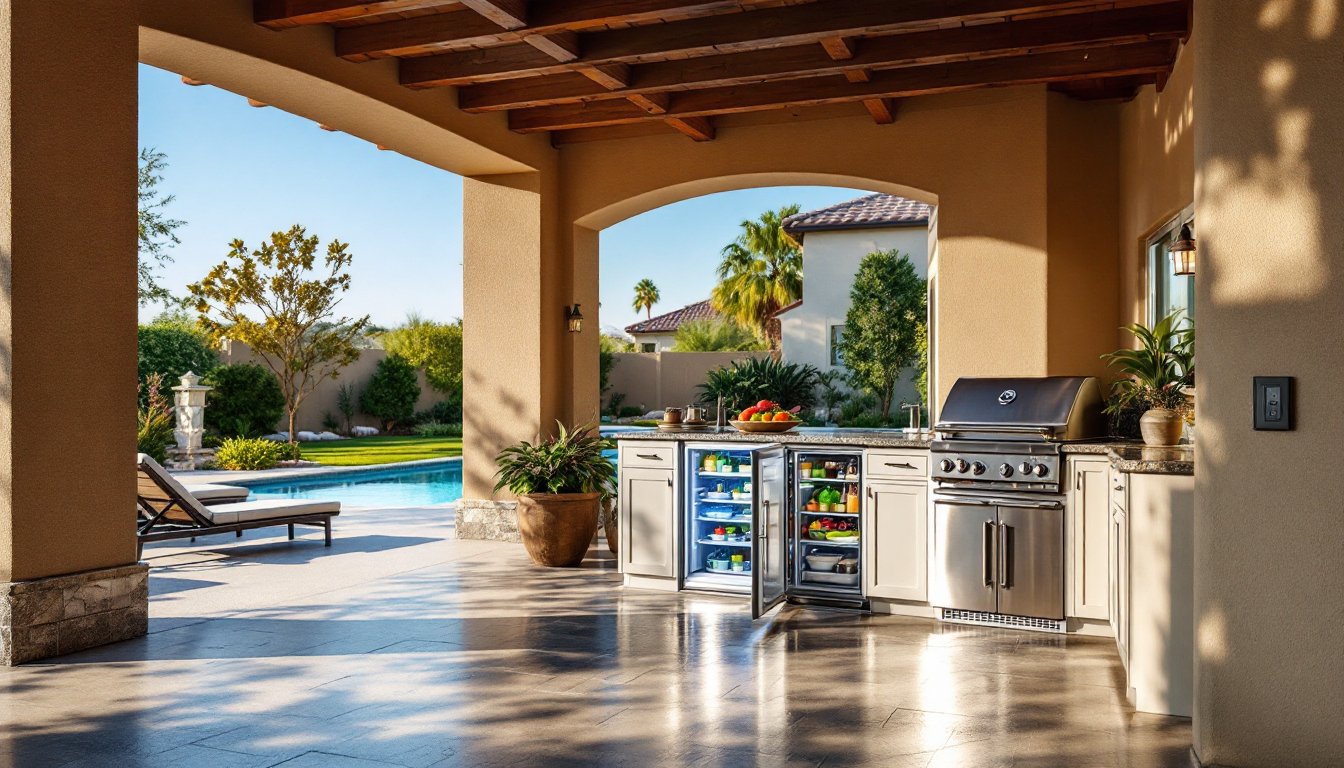
Adding a refrigerator to an outdoor kitchen or patio isn’t as simple as rolling a spare unit from the garage. Standard residential fridges aren’t built to handle UV exposure, humidity swings, or temperature extremes, and most fail within a season when used outdoors. An outdoor rated refrigerator is purpose-built with weatherproof enclosures, corrosion-resistant components, and wider operating temperature ranges to survive the elements. Whether someone’s outfitting a poolside bar, a covered patio kitchen, or a detached outdoor cooking station, choosing the right model means understanding what separates a true outdoor appliance from a box that’ll rust out by fall.
Table of Contents
ToggleKey Takeaways
- An outdoor rated refrigerator is engineered with weatherproof components, corrosion-resistant stainless steel cabinets, and wider operating temperature ranges (typically 40°F–110°F+) to survive environmental exposure that would destroy standard indoor refrigerators within a season.
- True outdoor refrigerators require 304 or 316-grade stainless steel, marine-grade gaskets, reinforced insulation, and IP24+ protection ratings, with prices ranging from $800–$4,000 depending on capacity and features.
- Proper placement under covered patios, pergolas, or built-in cabinetry with 2–3 inches of side and back clearance is essential; avoid direct sunlight and full exposure, and position poolside units at least 10 feet from water to minimize chemical exposure.
- An outdoor rated refrigerator adds significant convenience for entertaining, can increase home resale value by 50–70%, and frees up indoor refrigerator space by providing dedicated cold storage steps away from outdoor cooking stations.
- Regular maintenance including monthly exterior cleaning with stainless steel cleaner, quarterly condenser coil inspection, annual gasket and drain line checks, and winterization in cold climates extends lifespan to 10–15 years of reliable service.
What Is an Outdoor Rated Refrigerator?
An outdoor rated refrigerator is an appliance specifically engineered to operate safely and reliably in exterior environments. Unlike indoor models, these units feature sealed, weatherproof electrical components, corrosion-resistant exteriors (typically 304 or 316 stainless steel), and compressors designed to function across a broader ambient temperature range, often from 40°F to 110°F or higher.
The key difference lies in construction. Indoor refrigerators use standard painted steel cabinets and components that corrode quickly when exposed to rain, sprinkler overspray, or coastal salt air. Outdoor units incorporate marine-grade gaskets, reinforced insulation, and vented backs that allow heat dissipation even in direct sunlight or enclosed cabinetry.
Most outdoor refrigerators carry an IP (Ingress Protection) rating, typically IP24 or higher, indicating resistance to water spray and dust. Some manufacturers also test units for UV resistance to prevent plastic and rubber components from cracking or yellowing. These features add cost, outdoor models typically run $800–$4,000 depending on capacity and features, but they’re necessary for longevity in exposed installations.
It’s worth noting that “outdoor rated” doesn’t mean weatherproof in every scenario. Most units still require a covered installation, under a roof overhang, pergola, or within a built-in cabinet, to protect against direct rain and snow. Fully exposed installations usually need additional enclosures or weatherproof cabinetry.
Key Features to Look for in an Outdoor Refrigerator
Not all outdoor refrigerators are created equal. Buyers should evaluate models based on the specific environmental challenges and use patterns of their installation site.
Weather Resistance and Temperature Range
Operating temperature range is critical. Standard refrigerators quit working reliably when ambient temps exceed 100°F: outdoor models are built to cool effectively in temperatures up to 110°F or 120°F, with some commercial-grade units handling even higher extremes. Check the manufacturer’s spec sheet, if it doesn’t list an upper ambient temp limit above 100°F, it’s not a true outdoor unit.
For cold climates, consider models with freeze protection. Some outdoor refrigerators include heating elements that prevent the compressor and water lines from freezing when temps drop below 32°F. This matters in covered but unheated outdoor spaces during winter.
UV-resistant finishes on doors and trim prevent fading and cracking. Look for powder-coated or anodized aluminum handles and hinges rather than painted or chrome-plated steel, which corrode faster. Gaskets should be silicone or EPDM rubber, not standard foam, to resist moisture and temperature cycling.
Construction Materials and Durability
The cabinet exterior should be 304 stainless steel at minimum: 316 stainless is better for coastal areas or poolside installations where saltwater or chlorine is a factor. Stainless grades matter, 201 or 430 stainless (sometimes used in budget models) will pit and rust outdoors.
Interior shelving and bins should be sealed plastic or stainless, not wire racks with exposed welds that trap moisture. The compressor and condenser coils need protective shrouds or enclosures to keep out insects, dirt, and debris.
Door hinges and latches take a beating outdoors. Marine-grade stainless hardware lasts: cheap zinc-coated hinges fail within months. Self-closing hinges are a nice feature, they prevent the door from being left ajar by accident, which overworks the compressor in hot weather.
Check the drain system. Outdoor refrigerators produce condensation, and the drain line should be routed to prevent standing water that attracts pests or freezes in winter. Some models include a built-in evaporative drain pan: others need a gravity drain line plumbed to exterior drainage.
Best Locations for Installing Your Outdoor Refrigerator
Placement affects performance and longevity. The ideal spot balances access, weather protection, and proper ventilation.
Covered patios and outdoor kitchens are the most common installations. A roof overhang or pergola shields the unit from direct rain and snow while still allowing airflow. Built-in installations under countertops work well if the cabinet provides adequate ventilation, outdoor refrigerators need 2–3 inches of clearance on the sides and back, plus vented toe kicks or grilles to exhaust heat. Check the manufacturer’s installation manual: blocking airflow can cause the compressor to overheat and fail.
Poolside bars and entertainment areas are popular but require extra caution. Position the unit at least 10 feet from the pool edge to minimize splashing and reduce chlorine exposure to the exterior. Use a GFCI-protected outlet, required by NEC code for outdoor appliances, and ensure the electrical circuit can handle the refrigerator’s startup surge, typically 10–15 amps for residential models.
Avoid installing directly in full sun if possible. Even outdoor rated units work harder and consume more energy when the cabinet heats up. A shaded wall or north-facing location extends compressor life and improves cooling efficiency.
For detached outdoor kitchens or sheds, ensure the structure has adequate weatherproofing and that the refrigerator is protected from wind-driven rain. If the space isn’t heated, verify the unit includes freeze protection or plan to winterize it during cold months.
Electrical requirements vary, but most outdoor refrigerators run on standard 115V, 15-amp circuits. The outlet must be GFCI-protected and weatherproof (NEMA 3R or better enclosure). Avoid using extension cords, run a dedicated circuit if the existing outlet isn’t within safe reach. Consult a licensed electrician if adding new outdoor circuits: permits are typically required.
Top Benefits of Adding an Outdoor Rated Refrigerator to Your Space
An outdoor refrigerator transforms how homeowners use exterior spaces, particularly for entertaining and seasonal living.
Convenience during gatherings tops the list. Guests and hosts avoid repeated trips indoors for drinks, condiments, or ingredients. This keeps foot traffic, and dirt, out of the main kitchen and makes outdoor cooking more efficient. For anyone who grills or smokes meat regularly, having cold storage steps away from the cooktop is a game-changer.
Increased home value is a measurable benefit. Outdoor kitchens with quality appliances appeal to buyers, particularly in warm climates where outdoor living is year-round. Real estate professionals note that well-executed outdoor kitchens can return 50–70% of their cost at resale, and a functional refrigerator is a key component.
Extended seasonal use of patios and decks becomes practical. A refrigerator stocked with beverages and snacks encourages outdoor dining and relaxation beyond summer months. For homes with pools, hot tubs, or fire pits, an outdoor fridge reduces interruptions and keeps the focus on the outdoor experience.
Dedicated storage for outdoor entertaining supplies, bulk beverages, marinades, large platters, frees up space in the indoor refrigerator. This is especially helpful during holidays or when hosting large groups.
There are trade-offs. Outdoor refrigerators cost more upfront, use slightly more energy (due to higher ambient temps), and require more maintenance than indoor units. But for homeowners who actively use their outdoor spaces, the convenience and functionality typically justify the investment.
Maintenance Tips for Long-Lasting Performance
Outdoor refrigerators demand more upkeep than indoor models due to environmental exposure. Regular maintenance extends lifespan and prevents costly repairs.
Clean the exterior monthly using a stainless steel cleaner or a mix of mild dish soap and water. Wipe in the direction of the grain to avoid scratching. Rinse thoroughly and dry with a microfiber cloth, standing water causes spotting and eventual corrosion, even on stainless steel. For coastal or pool areas, clean weekly to remove salt or chlorine residue.
Inspect and clean condenser coils every 3–6 months. Dust, pollen, and cobwebs restrict airflow and force the compressor to work harder. Use a coil brush or vacuum with a brush attachment to remove debris. If the unit is in a dusty or high-pollen area, clean quarterly.
Check door gaskets for cracks, tears, or loss of seal. A poor seal lets warm air in, increasing energy use and reducing cooling efficiency. Test by closing the door on a dollar bill, if it pulls out easily, the gasket needs replacement. Clean gaskets with warm soapy water to remove gunk that prevents proper sealing.
Clear the drain line annually or whenever water pools inside. Use a pipe cleaner or turkey baster with warm water and a bit of vinegar to flush the line. Clogged drains lead to standing water, mold, and unpleasant odors.
Winterize if necessary. In climates with hard freezes, homeowners should either move the refrigerator indoors, ensure freeze protection is active, or fully winterize by unplugging, draining, and covering the unit. Leaving an unprotected refrigerator outdoors in sub-zero temps can crack water lines and damage the compressor.
Tighten hardware annually. Hinges, handles, and mounting brackets can loosen due to temperature cycling and vibration. A quick check with a screwdriver or hex key prevents bigger problems.
Wear gloves when cleaning coils or working around sharp edges. Use a GFCI outlet tester annually to confirm electrical safety. If the compressor cycles on and off rapidly, makes unusual noises, or fails to cool, call a licensed appliance repair technician, compressor work isn’t a DIY job.
With proper care, a quality outdoor rated refrigerator can deliver 10–15 years of reliable service, making it a worthwhile upgrade for any serious outdoor living space.