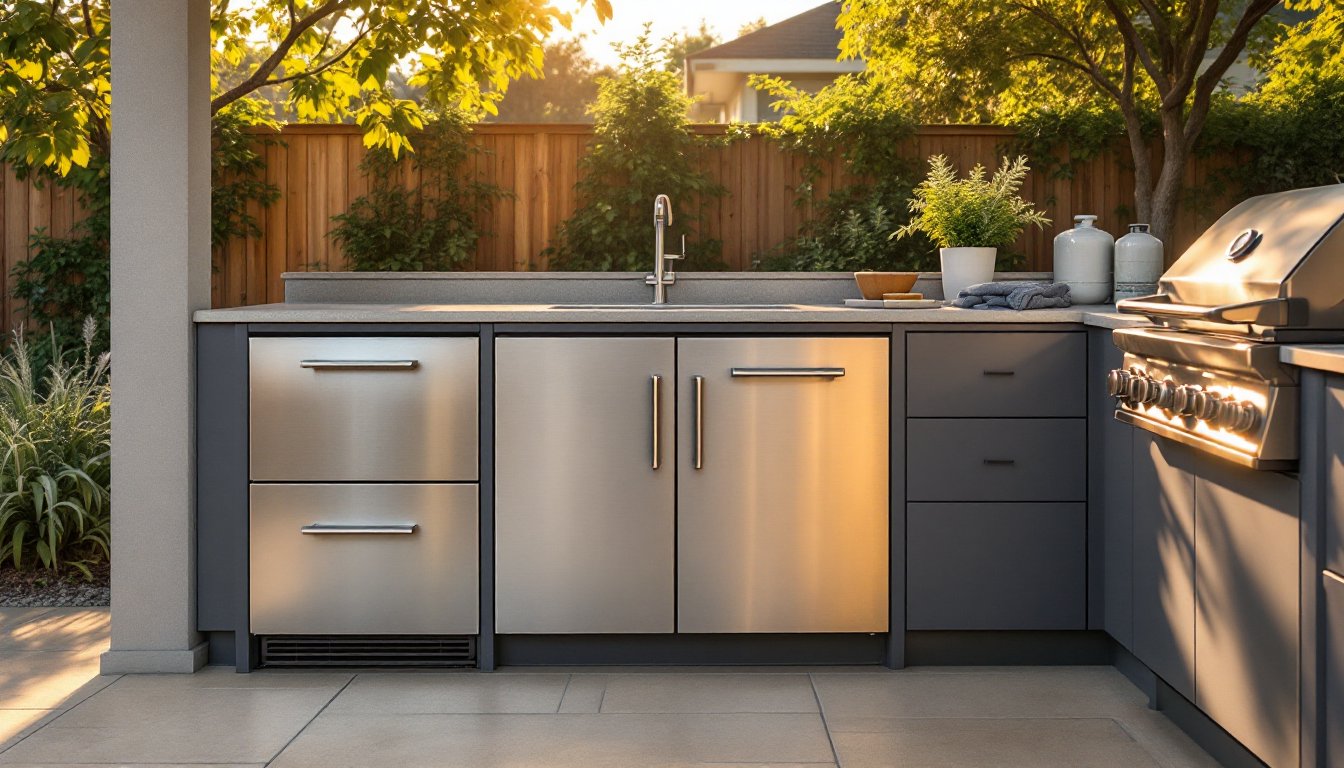
Building an outdoor kitchen involves more than just grills and countertops, access doors and storage compartments are what separate a polished setup from an amateur effort. Outdoor kitchen doors protect plumbing connections, propane tanks, garbage bins, and electrical components from weather, pests, and debris. They also define how functional and finished the space looks. The right doors need to resist UV exposure, temperature swings, moisture, and corrosion while maintaining a clean appearance. With options ranging from budget-friendly composite models to commercial-grade stainless steel, choosing the right door depends on climate, cooking frequency, and budget. This guide breaks down the materials, styles, and installation practices that matter in 2026.
Table of Contents
ToggleWhy Outdoor Kitchen Doors Matter for Your Outdoor Space
Outdoor kitchen doors serve three critical functions: protection, access, and aesthetics. Without properly sealed doors, moisture infiltrates cabinetry and damages stored items, electrical components, or plumbing fittings. Rodents, insects, and debris find their way into open compartments, creating safety hazards and expensive repairs.
From a functional standpoint, doors provide quick access to propane tanks, shut-off valves, trash pullouts, and utility connections. Well-designed doors open wide enough for tank swaps or cleaning without requiring disassembly of surrounding components. Soft-close hinges and magnetic latches reduce slamming and improve longevity.
Appearance matters more than many DIYers expect. Cheap or mismatched doors disrupt visual flow and signal poor craftsmanship. In outdoor spaces where cabinetry is fully exposed to sightlines from patios, pools, or dining areas, doors function as design elements. Consistent material finishes, alignment, and handle styles contribute to a cohesive, professional look that holds up under scrutiny and weather alike.
Types of Outdoor Kitchen Doors: Finding Your Best Fit
Stainless Steel Doors
Stainless steel remains the gold standard for outdoor kitchens, particularly in humid or coastal climates. Look for 304-grade stainless at minimum: it resists rust and corrosion better than lower grades. 316-grade stainless (marine-grade) performs even better in salt-air environments, though it costs 20-30% more.
Single-access doors typically range from 14″ x 20″ to 24″ x 24″, while double-door configurations handle wider openings up to 42″. Many models include built-in vents for propane compartments, critical for code compliance in some jurisdictions. Tip: Stainless finishes vary. Brushed finishes hide fingerprints and minor scratches better than polished surfaces.
Magnetic or latch-style closures are standard. Avoid doors with exposed steel hinges in favor of stainless hardware throughout: rust on hinges telegraphs to the door face over time. Expect to pay $120–$400 per door depending on size and grade. Brands like Sunstone, BBQGuys, and Blaze offer solid mid-tier options: high-end models from Lynx or Twin Eagles include lifetime warranties.
Wood and Composite Doors
Wood doors bring warmth and texture but demand more maintenance. Teak, ipe, and white oak handle outdoor exposure better than pine or cedar. Proper sealing with marine-grade spar urethane every 12–18 months is non-negotiable. Even then, expect fading, checking, and eventual warping in climates with high humidity or temperature swings above 90°F.
Composite doors, typically PVC or HDPE (high-density polyethylene), mimic wood grain without the rot risk. They resist moisture, insects, and UV degradation. Most composite options don’t require sealing, though surface cleaning with mild detergent prevents mildew buildup. Weight is a consideration: composite doors are lighter than wood, which can affect hinge selection for larger panels.
Both wood and composite doors work best in covered outdoor kitchens or regions with mild, dry climates. They’re ill-suited for full sun exposure in desert environments or salt spray in coastal zones. Pricing ranges from $80–$250 per door for quality composite models: custom wood doors run $200–$600+ depending on species and finish.
Materials That Withstand the Elements
Material performance separates functional outdoor doors from replacements waiting to happen. Beyond the door face, hardware and seals determine longevity.
Stainless steel handles freeze-thaw cycles, UV exposure, and humidity without structural degradation. Surface scratches can occur but don’t compromise integrity. Powder-coated steel doors cost less but chip over time, exposing bare metal to rust.
Aluminum offers a lighter alternative to stainless. It won’t rust, but it dents more easily and can oxidize (white chalky residue) without proper anodizing or coating. Aluminum works well for upper cabinet doors where impact risk is lower.
Polymer composites (PVC, HDPE) resist moisture and insects but can become brittle in extreme cold (below 20°F) or warp in sustained heat above 110°F. UV inhibitors in quality composites prevent color fade for 7–10 years: cheap versions turn chalky or discolored within two seasons.
Marine-grade plywood with waterproof adhesive (exterior or marine grades per APA standards) serves as a substrate for custom doors. It requires full encapsulation with fiberglass, epoxy, or waterproof veneer. Expect re-sealing every few years.
Hardware matters as much as the door itself. Stainless steel hinges (316-grade in coastal areas), magnetic catches, and sealed latches prevent rust and binding. Avoid zinc-plated or chrome hardware, it corrodes quickly outdoors. Soft-close hinges reduce stress on mounting points and extend door life. Weatherstripping or rubber gaskets keep moisture, insects, and debris out: replace gaskets every 2–3 years as they compress and crack.
Design Considerations for Outdoor Kitchen Doors
Door design affects workflow, safety, and code compliance. Plan for access needs before framing cabinetry.
Sizing: Propane tank compartments require doors wide enough to remove a standard 20 lb. cylinder without tilting it sideways, typically 18″ wide minimum. Trash pullouts need vertical clearance for bag removal. Measure stored items and add 2″ clearance on all sides.
Ventilation: Propane storage compartments must vent to prevent gas accumulation. Many jurisdictions follow NFPA 58 or IRC Appendix G standards, which require venting at top and bottom of the compartment. Some doors include louvered or perforated sections: others require separate vent panels. Safety note: Never enclose propane without ventilation, gas leaks can ignite.
Swing direction: Right-hand or left-hand swing should place handles toward the user’s dominant work side. Avoid door swings that block walkways or interfere with grill operation. Double-door configurations work well for wide openings (30″+) but require a center stile or astragal for proper closure.
Handle styles: Horizontal bar handles (8″–12″ spacing) suit modern designs and provide leverage. Recessed pulls reduce snag points in tight spaces. Avoid ornate handles that trap dirt or moisture.
Matching finishes: Coordinate door material with appliances and countertop supports. Stainless steel doors pair naturally with stainless grills: mixing brushed and polished finishes looks unintentional. If using wood or composite, carry the same material through other cabinetry or structures (pergola posts, bar fronts) for cohesion.
Security: Lockable doors protect stored tools, alcohol, or grilling accessories. Key-alike cylinder locks simplify key management across multiple doors.
Installation and Maintenance Tips
Proper installation prevents sagging, binding, and water intrusion.
Installation steps:
-
Check the frame. Door openings must be square and plumb. Use a framing square and 4-foot level: out-of-square frames cause uneven gaps. Most outdoor cabinet frames use 2×4 or metal stud framing with cement board or marine-grade plywood sheathing.
-
Pre-drill hinge holes. Stainless screws can snap if driven without pilot holes, especially into hardwood or dense composite. Use a drill bit one size smaller than the screw shank.
-
Mount hinges to the frame first, then attach the door. This method allows adjustment before the door bears full weight. Use shims (1/8″ hardboard or plastic) to set consistent gaps (1/8″ on all sides is standard).
-
Install catches or magnets after the door hangs. Magnetic catches self-align: mechanical latches require precise placement.
-
Apply weatherstripping to the frame perimeter, not the door. Adhesive-backed EPDM rubber works well: silicone-based strips last longer in high heat.
Maintenance:
- Stainless steel: Wipe with stainless cleaner or a 1:1 vinegar-water solution every 2–4 weeks to remove grease, pollen, and water spots. Always wipe with the grain. Avoid chlorine-based cleaners, they pit stainless.
- Wood/composite: Clean with mild dish soap and water. Reseal wood annually in harsh climates. Check composite for mildew in shaded, humid areas: treat with diluted bleach solution (10:1 water-to-bleach).
- Hinges and hardware: Lubricate moving parts twice a year with silicone spray or marine grease. Tighten screws as wood and composite can compress over time.
- Gaskets and seals: Inspect annually. Replace cracked or compressed weatherstripping to maintain pest and moisture barriers.
PPE: Wear safety glasses when drilling into masonry or metal framing. Work gloves prevent cuts from sharp door edges and metal shavings.
Outdoor kitchen doors are straightforward to install with basic tools, a drill/driver, level, square, and measuring tape handle most jobs. If the cabinet structure isn’t plumb or the opening is non-standard, correct framing issues before hanging doors. Trying to force a door into a twisted frame leads to binding, uneven gaps, and premature hardware failure.