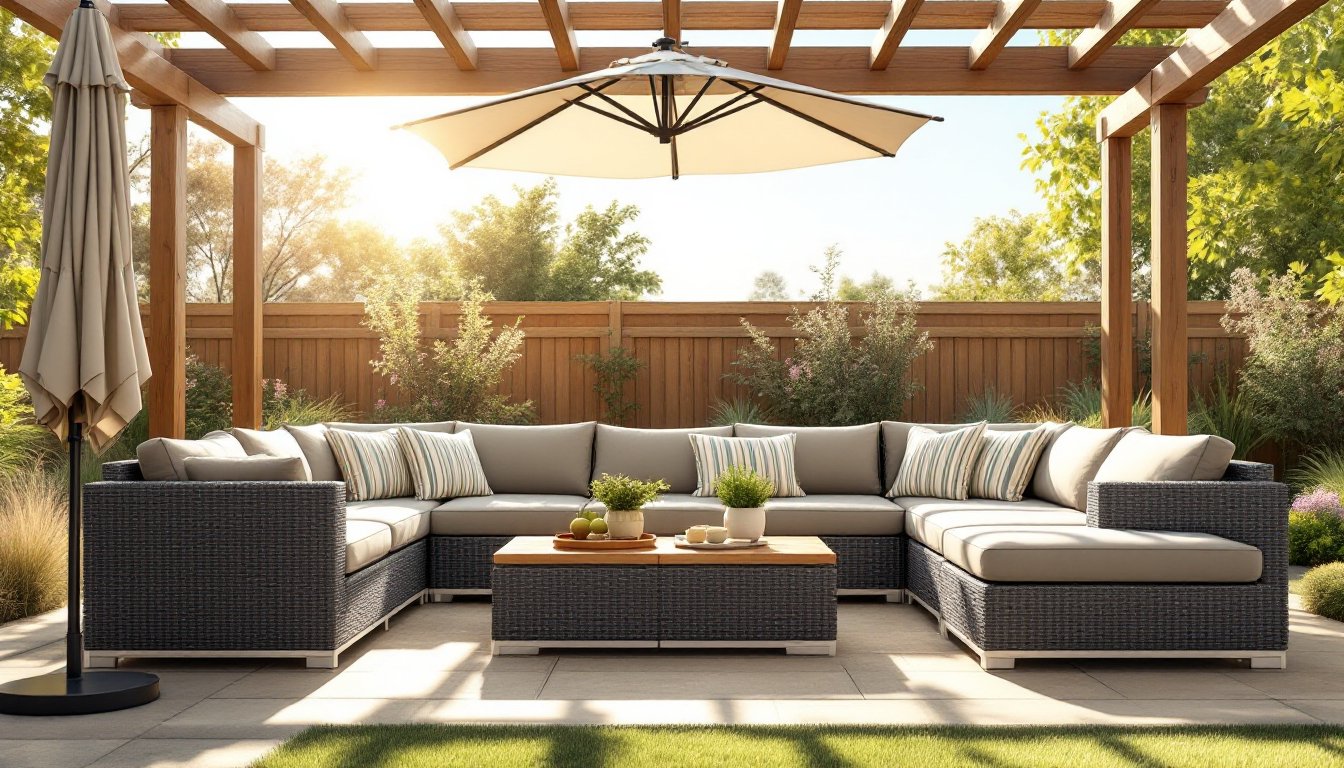
Outdoor living spaces have evolved from basic lawn chairs and plastic tables to fully furnished extensions of the home. At the center of this transformation sits the outdoor sofa sectional, a versatile, comfortable centerpiece that turns patios, decks, and poolsides into genuine living rooms under the sky. Unlike traditional outdoor furniture sets, sectionals offer customizable layouts, generous seating, and a cohesive look that anchors any outdoor space. Whether someone’s hosting a backyard barbecue or unwinding with morning coffee, the right outdoor sectional delivers comfort and durability season after season.
Table of Contents
ToggleKey Takeaways
- An outdoor sofa sectional combines modular, weather-resistant pieces to create flexible seating arrangements that maximize comfort and conversation zones on patios and decks.
- Weather-resistant materials like powder-coated aluminum frames, synthetic wicker, and solution-dyed acrylic fabrics are essential for durability across changing seasons and climates.
- Outdoor sectionals with high-density foam cushions, sturdy metal connectors, and configurable layouts offer better long-term value and adaptability than fixed furniture pieces.
- Routine maintenance—monthly cleaning, seasonal cushion care, and annual hardware checks—extends outdoor sectional lifespan from a few seasons to a decade or more.
- Choose an outdoor sectional style (contemporary, coastal, rustic, or lounge) that matches your home’s architecture and leave 24–36 inches of clearance for safe foot traffic.
What Is an Outdoor Sofa Sectional and Why You Need One
An outdoor sofa sectional is a multi-piece seating arrangement designed specifically for exterior use. Unlike indoor sectionals, these pieces feature weather-resistant frames, quick-drying cushions, and UV-stable fabrics built to withstand sun, rain, and temperature swings.
The primary advantage is flexibility. Most outdoor sectionals consist of modular units, armless chairs, corner pieces, ottomans, and chaise extensions, that connect via clips, brackets, or tongue-and-groove joints. This allows homeowners to reconfigure layouts as needs change, whether that’s creating an L-shape for intimate gatherings or a U-shape for entertaining larger groups.
Beyond versatility, outdoor sectionals maximize seating density without the cluttered look of mismatched chairs. A typical 6-piece sectional can comfortably seat six to eight adults while occupying roughly the same footprint as a dining table set. They also create clear conversation zones, which is harder to achieve with scattered seating.
For homes with limited indoor square footage, an outdoor sectional effectively extends living space. It signals that the patio or deck isn’t just a pass-through, it’s a destination. And because sectionals read as substantial furniture rather than temporary fixtures, they elevate the perceived value and usability of the entire property.
Key Features to Look for When Choosing an Outdoor Sofa Sectional
Selecting the right outdoor sectional involves balancing durability, comfort, and design. Two factors stand out as non-negotiable: the materials and the configuration.
Weather-Resistant Materials and Fabrics
Frame material dictates longevity. Powder-coated aluminum offers the best strength-to-weight ratio and won’t rust, making it ideal for coastal areas. Synthetic wicker (HDPE resin) over aluminum frames mimics natural rattan while resisting moisture and UV degradation. Avoid natural wicker or untreated wood unless the sectional lives under a covered porch, both require frequent maintenance and deteriorate in wet climates.
Teak and eucalyptus are solid choices for wood frames if someone prefers that aesthetic. Both contain natural oils that repel moisture, though they’ll weather to a silver-gray patina unless treated annually with teak oil. Expect to pay a premium, solid teak sectionals often start around $2,500 to $4,000 depending on configuration and regional pricing.
Cushion fill matters as much as the frame. High-density polyurethane foam wrapped in Dacron offers comfort and shape retention. Look for foam rated for outdoor use with drainage channels or an open-cell structure that allows water to pass through. Cheaper cushions use low-density foam that compresses quickly and holds moisture, leading to mildew.
Fabric should be solution-dyed acrylic (like Sunbrella or similar brands) with a rating of at least 1,500 hours of UV resistance. Solution-dyeing locks color into the fiber before weaving, so it won’t fade like printed or piece-dyed fabrics. Water-repellent finishes help, but they wear off, solution-dyed acrylic resists stains and mildew at the molecular level. Most quality outdoor cushions also feature zipper closures for easy removal and cleaning.
Configuration Options and Modular Flexibility
Modularity separates a good sectional from a great one. Before buying, confirm that pieces can be rearranged without tools and that connectors are sturdy, cheap plastic clips fail after a season or two. Metal brackets or locking tabs are more reliable.
Consider what configurations the space might need over time. A common mistake is buying a fixed L-shape, then realizing a straight sofa layout works better for a new deck or patio redesign. Opt for sets that include armless middle sections, corner wedges, and at least one ottoman or chaise. This gives flexibility to create L-shapes, U-shapes, or even split the sectional into two separate sofas.
Seat depth and height also matter. Standard outdoor sectional seats measure 24 to 28 inches deep and 16 to 18 inches high, similar to indoor furniture. Deeper seats (30+ inches) feel lounge-like but can be awkward for shorter individuals or anyone who wants to sit upright for dining. If the sectional doubles as dining seating, stick to 18-inch seat height to pair comfortably with standard 28- to 30-inch table heights.
Popular Outdoor Sofa Sectional Styles for Every Space
Outdoor sectionals come in styles that range from minimalist modern to coastal casual. Matching the style to the home’s architecture and the user’s lifestyle keeps the space cohesive.
Contemporary/modern sectionals feature clean lines, low profiles, and neutral tones, charcoal, taupe, white, or black. Frames are often powder-coated aluminum with slim silhouettes. These work well on urban rooftops, mid-century modern homes, or any setting where simplicity and geometry dominate. Cushions tend to be thinner (4 to 5 inches), prioritizing sleek looks over plush comfort.
Coastal/nautical styles lean into woven textures and light colors. Synthetic wicker in white, driftwood gray, or sand tones pairs with navy, aqua, or striped cushions. These sectionals suit beachfront properties, lakeside cottages, or anyone aiming for a relaxed, vacation-home vibe. The wicker weave adds visual warmth without the maintenance headaches of natural materials.
Rustic/farmhouse sectionals incorporate natural wood frames, teak, cedar, or acacia, with neutral linen-look fabrics. They pair beautifully with stone patios, pergolas, and fire pits. Expect chunkier proportions and visible wood grain. These styles require more upkeep (annual sealing or oiling) but deliver unmatched character and a timeless look.
Lounge-style sectionals prioritize comfort with deep seats (28+ inches), thick cushions (6+ inches), and integrated chaise sections. They’re perfect for poolside relaxation or covered lanais where the sectional functions more like an outdoor daybed. Trade-off: they consume more square footage and aren’t ideal for smaller patios or multi-use spaces.
When choosing a style, measure the space carefully. A sectional should leave at least 24 to 36 inches of clearance on all sides for foot traffic. For reference, a standard 5-piece L-shaped sectional typically spans 90 to 110 inches on the long side and 70 to 90 inches on the short side.
How to Maintain and Care for Your Outdoor Sectional
Proper maintenance extends the life of an outdoor sectional from a few seasons to a decade or more. The effort required depends on materials, but a few universal practices apply.
Routine cleaning prevents buildup that accelerates wear. Hose down frames monthly to remove pollen, dust, and bird droppings. For aluminum or synthetic wicker, use a soft brush and mild dish soap mixed with water. Avoid pressure washers on wicker, they can fray or crack the resin. Rinse thoroughly and let air-dry.
Wood frames need seasonal attention. Teak and eucalyptus should be cleaned with a teak cleaner (avoid bleach-based products) and treated with teak oil or sealant once or twice a year if the owner wants to preserve the original honey-brown color. Skipping treatment isn’t structural neglect, it just means the wood will gray naturally.
Cushion care makes the biggest difference in longevity. Remove cushions during heavy rain or when not in use for extended periods. Spot-clean spills immediately with mild soap and water. For deeper cleaning, remove covers (if zippered) and machine wash on a gentle cycle with cold water and mild detergent, never bleach, which degrades solution-dyed acrylic. Air-dry only: high heat can shrink covers or warp foam.
Store cushions indoors or in a waterproof deck box during winter or the off-season, especially in climates with freeze-thaw cycles. Even the best outdoor foam can crack if water inside freezes and expands repeatedly.
Protective covers are worth the investment for the frame, especially in regions with harsh winters or intense sun. Look for covers made from breathable, waterproof polyester with reinforced seams and tie-downs or buckles to prevent wind damage. Covers trap moisture if they’re not breathable, creating mildew problems worse than leaving the sectional uncovered.
Check connection points and hardware annually. Tighten screws, replace corroded clips, and inspect feet or glides for wear. Uneven or damaged feet can cause frames to wobble and stress joints, leading to premature failure.
For sectionals in full sun, consider using a patio umbrella or pergola to reduce direct UV exposure. Even UV-resistant fabrics and finishes degrade faster under constant, unfiltered sunlight.
Conclusion
An outdoor sofa sectional transforms underused patios into true living spaces, comfortable, flexible, and built to last. By prioritizing weather-resistant materials, thoughtful configuration, and routine maintenance, homeowners can enjoy years of outdoor comfort without the headaches of constant repairs or replacements. Whether it’s a sleek modern setup or a cozy coastal retreat, the right sectional turns any backyard into the best seat in the house.