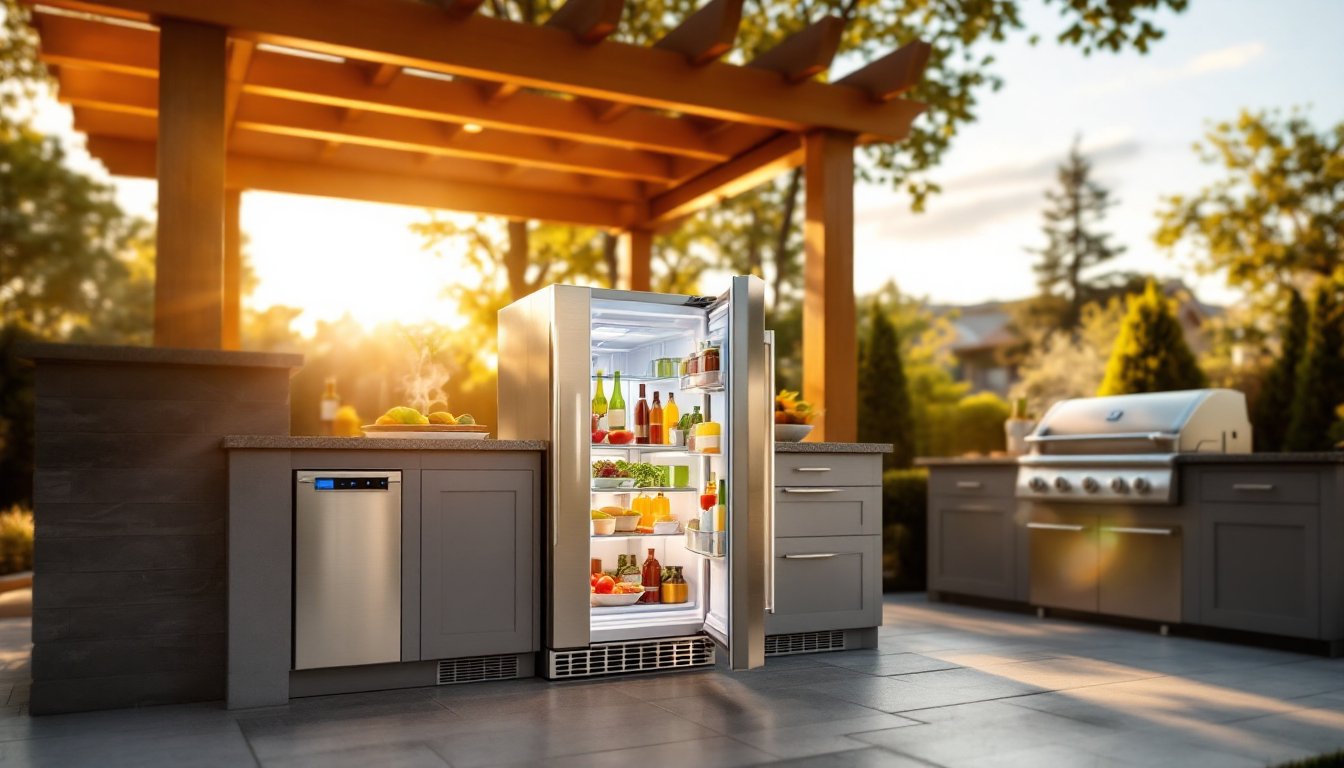
Outdoor kitchens have evolved from simple grills to full-fledged cooking and entertaining hubs, and no serious setup is complete without dedicated refrigeration. Blaze outdoor refrigerators have carved out a strong reputation among DIYers and outdoor kitchen enthusiasts for delivering commercial-grade cooling in weather-resistant packages. Unlike repurposed indoor units that fail after a season of humidity and temperature swings, Blaze designs its refrigerators specifically for the elements. This guide walks through what sets Blaze apart, compares popular models, and covers the installation and maintenance knowledge needed to make a smart investment.
Table of Contents
ToggleKey Takeaways
- Blaze outdoor refrigerators are engineered specifically for weather resistance with marine-grade 304 stainless steel construction and front-venting systems that eliminate the need for rear clearance, making them ideal for integrated outdoor kitchen setups.
- A Blaze outdoor refrigerator requires proper electrical installation on a dedicated 15-amp GFCI circuit, level placement within 1/4 inch, and positioning away from direct sunlight and heat sources to ensure optimal performance and longevity.
- Monthly maintenance including gasket inspection, drain line cleaning, and exterior wiping, plus quarterly condenser coil cleaning, can extend the lifespan of your Blaze unit to 8-12+ years of reliable service.
- Blaze models range from 4.5 to 5.5+ cubic feet with digital controls and LED lighting on mid-range and premium options, providing flexibility to match different outdoor kitchen scales and budgets.
- While a Blaze outdoor refrigerator costs $1,200 to $2,500 upfront, the investment pays off quickly compared to replacing indoor mini-fridges that typically fail within one to two seasons when exposed to outdoor conditions.
- An outdoor refrigerator from Blaze eliminates indoor kitchen trips during entertaining, maintains proper beverage serving temperatures, and supports food safety during extended outdoor cooking sessions.
What Makes Blaze Outdoor Refrigerators Stand Out?
Blaze Outdoor Products builds appliances engineered for year-round outdoor exposure, not indoor units with a marketing spin. The brand focuses on commercial-grade stainless steel construction, sealed and insulated enclosures, and components rated for temperature extremes.
Their refrigerators use marine-grade 304 stainless steel for exterior panels and door construction, which resists rust, corrosion, and UV degradation far better than painted or coated finishes. Door seals are continuous and replaceable, designed to handle moisture and dust intrusion that would compromise a standard refrigerator.
Blaze also incorporates front-venting systems in most models, allowing built-in installation without the rear clearance indoor refrigerators require. This matters for anyone working with tight cabinetry or island layouts. Compressors and condenser coils are shielded and rated for ambient temperatures up to 100°F, meaning the unit won’t struggle or fail during peak summer heat.
Another standout feature: Blaze refrigerators include reversible door hinges as standard, giving flexibility during layout planning. The magnetic door latch system provides a secure closure without the slam-and-pray approach of cheaper models.
Key Features of Blaze Outdoor Refrigerators
Blaze packs several features across its lineup that appeal to both casual entertainers and serious outdoor chefs. Understanding these features helps match a model to specific needs.
Capacity and Configuration: Blaze offers models ranging from 4.5 cubic feet (compact bar setups) to 5.5+ cubic feet (full outdoor kitchen installs). Interior shelves are adjustable and coated to resist corrosion, typically offering two to three shelf positions. Door storage includes bottle racks and condiment bins, maximizing usable space.
Temperature Range and Controls: Most Blaze units maintain temperatures between 33°F and 50°F, controlled via digital or mechanical thermostats. Digital models provide more precise adjustments and often include LED temperature displays. Consistent cooling performance depends on proper ventilation, front-vented models handle built-in applications better than side-vented alternatives.
Energy Efficiency: Outdoor refrigerators consume more power than indoor equivalents due to insulation demands and compressor duty cycles in variable temperatures. Blaze units typically draw between 1.5 and 2.5 amps during operation. Wiring should be on a dedicated 15-amp GFCI circuit as required by National Electrical Code (NEC) Article 210.8 for outdoor receptacles.
Stainless Steel Construction and Weather Resistance
The 304 stainless steel shell isn’t just for looks, it’s the primary defense against rain, humidity, salt air (for coastal installs), and UV exposure. Blaze uses welded seams and powder-coated internal components to prevent rust from the inside out, a common failure point in cheaper outdoor units.
Insulation quality separates outdoor refrigerators from failures masquerading as outdoor-ready. Blaze uses high-density polyurethane foam insulation throughout the cabinet, which maintains internal temperatures even when exterior temps climb. The door gasket system uses a double-seal design with compression channels, keeping moisture and insects out while maintaining an airtight thermal barrier.
Hardware, hinges, handles, and fasteners, is all stainless steel, avoiding the galvanic corrosion issues that occur when dissimilar metals contact in wet environments. This attention to material science pays off in longevity, especially in humid or coastal climates where dissimilar metal corrosion eats cheaper units alive in two seasons.
Popular Blaze Outdoor Refrigerator Models Compared
Blaze’s lineup includes several models suited to different scales and budgets. Here’s how the most common options compare:
Blaze 4.5 Cu. Ft. Outdoor Refrigerator (BLZ-SSRF-40DH): The compact workhorse. At 20.5 inches wide, it fits standard outdoor kitchen framing (built between studs on 24-inch centers, leaving room for insulation and clearance). Interior capacity holds about 120 twelve-ounce cans or mixed beverage and food storage. Reversible door, adjustable shelves, and mechanical thermostat keep the design simple and durable. Good choice for smaller patios or secondary drink storage.
Blaze 5.2 Cu. Ft. Outdoor Refrigerator (BLZ-SSRF-50DH): The mid-range favorite. At 24 inches wide, it’s still a standard cabinet size but offers significantly more interior volume, approximately 140+ cans or enough room for party platters, condiments, and beverages. Digital thermostat provides finer control, and the interior LED lighting (a feature absent on the 4.5 model) is a practical upgrade for evening use.
Blaze 5.5+ Cu. Ft. Outdoor Refrigerator: The flagship model for serious outdoor kitchens. Slightly deeper cabinet depth (around 24.5 inches) increases storage without expanding width. Enhanced insulation and a more robust compressor handle hotter climates and frequent door opening. Includes premium features like soft-close hinges and brighter LED lighting.
All models require 110V/120V AC power and front ventilation clearance per manufacturer specs (typically 1 inch on sides, zero rear clearance for built-in installs). Freestanding use requires additional side clearance, check the installation manual for exact dimensions.
Installation and Placement Considerations
Installing an outdoor refrigerator isn’t as simple as plugging it in and sliding it into a cabinet. Proper installation directly affects performance and lifespan.
Electrical Requirements: Run a dedicated 15-amp GFCI-protected circuit to the installation location. Outdoor receptacles must meet NEC 210.8(A)(3) requirements: GFCI protection and weatherproof covers (in-use covers if the appliance remains plugged in). Use 12-gauge copper wire for the circuit. If the run exceeds 75 feet from the panel, consult an electrician about voltage drop, compressors are sensitive to low voltage and may fail prematurely.
Built-In Installation: Frame the opening to manufacturer specs, typically 1/8 to 1/4 inch larger than the refrigerator’s cabinet dimensions to allow fit without binding. Use pressure-treated lumber for base framing if the unit sits on a concrete pad: untreated lumber wicks moisture and rots. Ensure the base is level within 1/4 inch, out-of-level installations cause door alignment issues and compressor strain.
Front-vented models exhaust heat through the toe kick, so don’t block this area with trim or closed cabinet bases. Provide an air gap underneath (typically 2 to 3 inches) for airflow.
Freestanding Placement: Keep the unit out of direct sunlight if possible. Even weather-resistant models work harder and consume more energy in full sun. Position at least 12 inches away from grills or other heat sources, radiant heat from a nearby grill significantly raises ambient temperature around the compressor.
Covered vs. Uncovered: While Blaze units handle rain, a roof or pergola cover reduces UV exposure and keeps the unit cooler, extending compressor life. If fully exposed, consider a waterproof cover during off-season months (with ventilation to prevent condensation buildup).
Permit Requirements: Most jurisdictions don’t require permits for appliance installation, but the electrical work might. If adding a new circuit, check local code, some areas require licensed electricians for any outdoor electrical work. Always better to ask than to fail an inspection during a home sale.
Maintenance Tips to Extend Your Refrigerator’s Lifespan
Outdoor refrigerators demand more maintenance than their indoor cousins due to exposure to dust, pollen, moisture, and temperature swings.
Monthly Tasks:
- Wipe down the stainless steel exterior with a microfiber cloth and stainless cleaner or a 50/50 vinegar-water solution. Wipe with the grain to avoid streaking.
- Inspect and clean the door gasket. Remove debris and wipe with mild soap and water. A damaged gasket leaks cold air and makes the compressor work overtime.
- Check the drain line (located at the bottom rear or interior floor). Outdoor humidity increases condensation. A clogged drain causes interior water pooling. Flush with warm water and a few drops of dish soap.
Quarterly Tasks:
- Clean the condenser coils (accessed via a front or rear grille, depending on model). Use a soft brush or vacuum with a brush attachment. Dirty coils reduce efficiency and shorten compressor life. This is the single most neglected maintenance task.
- Verify the door alignment. If the door doesn’t close flush, adjust the hinge screws. Most Blaze models use a European-style hinge with vertical and horizontal adjustment screws.
Annual Tasks:
- Deep-clean the interior. Remove all shelves and bins, wash with warm soapy water, and dry completely before reinstalling.
- Inspect electrical connections for corrosion, especially the plug and GFCI receptacle. Replace the receptacle if contacts look burned or corroded.
- Apply a stainless steel protectant or wax to exterior surfaces. This adds a layer of UV and moisture resistance.
Off-Season Storage (if applicable): If shutting down for winter, unplug the unit, prop the door open slightly to prevent mold, and cover with a breathable, waterproof cover. Don’t seal it completely, trapped moisture promotes rust.
Is a Blaze Outdoor Refrigerator Worth the Investment?
Blaze outdoor refrigerators typically run between $1,200 and $2,500 depending on model and retailer, which positions them in the mid-to-upper tier of outdoor refrigeration. That’s a significant investment compared to a $400 indoor mini-fridge, but the comparison isn’t apples to apples.
An indoor refrigerator placed outdoors will fail, usually within one to two seasons, due to inadequate insulation, non-weatherproof components, and compressors not rated for temperature extremes. Replacement costs and the hassle of repeated failures quickly surpass the upfront cost of a purpose-built unit.
Blaze’s value proposition rests on durability and longevity. With proper maintenance, owners report 8 to 12+ years of reliable service, even in harsh climates. The stainless steel construction holds up cosmetically, maintaining property value if the outdoor kitchen is part of a home sale.
For those who entertain outdoors regularly, grilling weekly, hosting gatherings, or simply enjoying outdoor living spaces, the convenience of dedicated refrigeration justifies the cost. It eliminates trips to the indoor kitchen, keeps beverages at proper serving temperature, and supports food safety for perishables during extended cooking sessions.
But, for occasional users or those in climates with short outdoor seasons, the investment is harder to justify. A high-quality cooler or a less expensive compact model might suffice. The key question: Does the outdoor kitchen get enough use to make the refrigerator a tool rather than a luxury?
Blaze hits a sweet spot, commercial-grade performance without commercial-grade pricing. For DIYers building or upgrading outdoor kitchens, it’s a solid choice that balances upfront cost with long-term reliability.