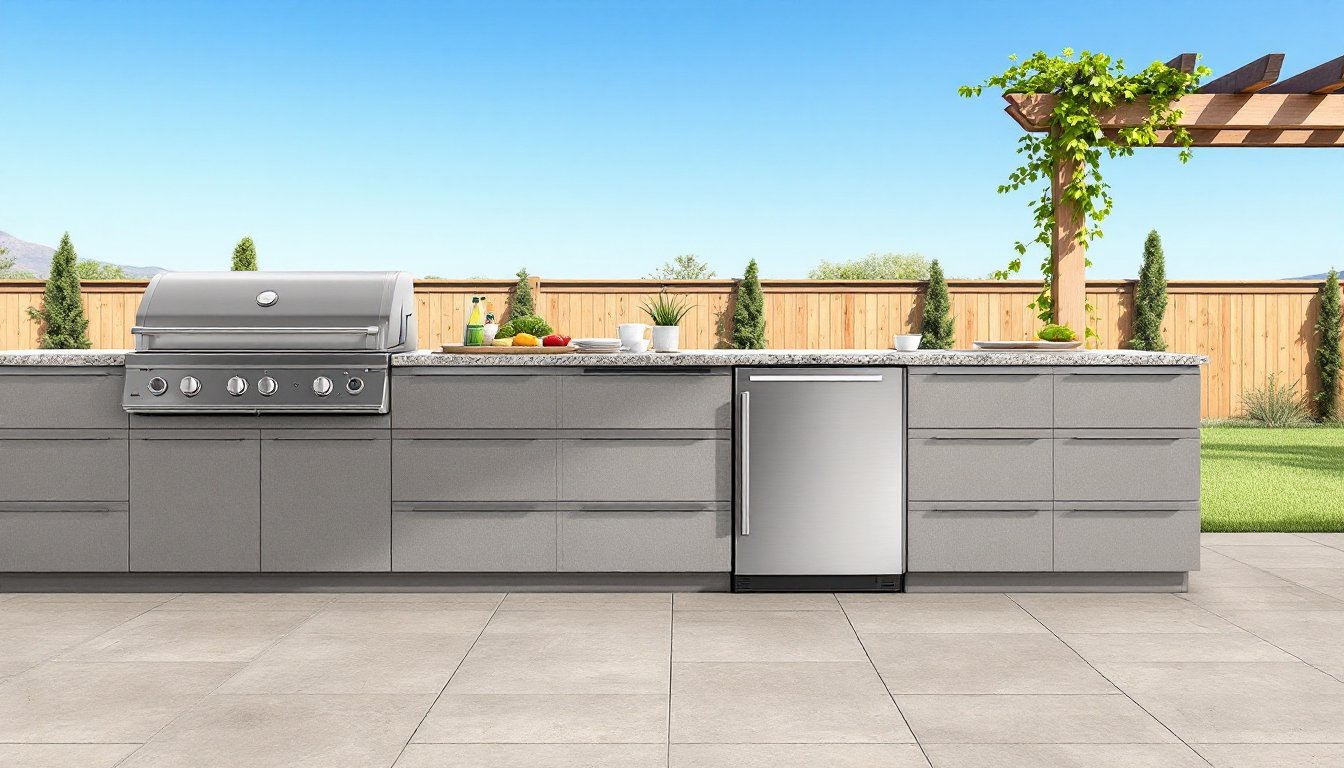
An outdoor kitchen isn’t complete until there’s cold storage within arm’s reach of the grill. But tossing a standard fridge outside and hoping for the best is a recipe for rust, compressor failure, and wasted money. An outdoor refrigerator cabinet solves that problem by creating a weatherproof housing designed specifically for exterior conditions, UV exposure, rain, temperature swings, and humidity. Whether someone’s building a full outdoor cooking station or retrofitting a patio bar, understanding how these cabinets differ from indoor cabinetry (and which features actually matter) can mean the difference between years of reliable service and an expensive replacement within a season.
Table of Contents
ToggleKey Takeaways
- An outdoor refrigerator cabinet is purpose-built to protect appliances from UV exposure, moisture, temperature extremes, and humidity while enabling convenient outdoor entertaining without hauling drinks from an indoor fridge.
- Stainless steel (304 or 316 grade) with fully welded seams, sloped tops, and weep holes are essential features that prevent rust, water intrusion, and premature cabinet degradation.
- Proper ventilation clearances (typically 1 inch on sides, 2 inches on top) and insulation are critical to prevent compressor overheating and ensure the outdoor refrigerator cabinet delivers years of reliable service.
- Installation requires a level base, secure anchoring with stainless fasteners, GFCI-protected electrical wiring per NEC code, and a properly routed drip line to prevent water pooling and mold.
- Monthly stainless steel cleaning, quarterly inspection of weep holes and vents, and biannual door seal checks are simple maintenance tasks that can double the lifespan of both the cabinet and refrigerator.
What Is an Outdoor Refrigerator Cabinet and Why You Need One
An outdoor refrigerator cabinet is a purpose-built enclosure that houses a refrigerator or beverage cooler in an exterior environment. Unlike standard indoor cabinetry, these units are constructed from materials that resist moisture infiltration, UV degradation, and temperature extremes. Most are designed to accommodate built-in outdoor-rated refrigerators, which have sealed compressors, stainless steel exteriors, and ventilation systems engineered for ambient temperatures that exceed indoor norms.
The cabinet itself serves multiple functions: it protects the appliance from direct weather exposure, provides structural support and proper ventilation clearances, and integrates the fridge into a cohesive outdoor kitchen or bar layout. Without a proper cabinet, even an outdoor-rated refrigerator can suffer from premature component failure due to trapped heat, water intrusion around seals, or structural instability.
Homeowners need one if they’re serious about outdoor entertaining. Hauling drinks from an indoor fridge kills the flow of a cookout. A dedicated outdoor setup keeps beverages, condiments, and perishables at hand, reduces foot traffic through the house, and adds functional square footage to the entertaining space. It’s especially valuable in climates with long outdoor seasons, where the kitchen effectively moves outside for months at a time.
Key Features to Look for in an Outdoor Refrigerator Cabinet
Not all outdoor cabinets are created equal. Choosing the wrong materials or skipping critical features can lead to warping, rust, or appliance damage within a year. Focus on these two areas.
Weather Resistance and Material Quality
Stainless steel (304 or 316 grade) is the gold standard for outdoor cabinets. Grade 304 handles most climates well: 316-grade stainless is preferred in coastal areas due to superior corrosion resistance against salt air. Powder-coated aluminum is a lighter, rust-proof alternative but can scratch more easily. Avoid cabinets made from standard plywood, MDF, or non-marine-grade wood, they’ll soak up moisture and degrade.
Look for fully welded or sealed seams rather than fastened joints where water can seep in. Cabinets should have a sloped or gasketed top to shed rain, and any doors should use stainless or marine-grade hinges with sealed bearings. UV-resistant finishes or powder coating prevent fading and chalking under direct sun.
Some cabinets include integrated drip edges and weep holes at the bottom to channel away any condensation or rainwater that does get inside. If the design lacks these, plan to drill weep holes yourself (¼-inch diameter, one in each rear corner).
Insulation and Temperature Control
Outdoor refrigerators work harder than indoor units. Ambient temps above 90°F force the compressor to cycle more frequently, and direct sun on the cabinet can raise internal temperatures even further. A quality outdoor cabinet includes insulated side panels and a rear wall to buffer the appliance from heat.
Check the ventilation layout. Most built-in fridges are front-venting, meaning they pull air from the front grille and exhaust it out the front as well. The cabinet must provide adequate clearance (typically 1 inch on sides, 2 inches on top) per the appliance manufacturer’s specs. Blocking these clearances causes overheating and compressor failure.
If the cabinet is enclosed on three sides, ensure there’s passive airflow or consider adding a small 12V exhaust fan on a thermostat to pull hot air out. Some high-end cabinets come with built-in fan kits. Without proper ventilation and insulation, even a rated outdoor fridge won’t hit its lifespan.
Best Types of Outdoor Refrigerator Cabinets for Different Spaces
Outdoor refrigerator cabinets come in several configurations. Matching the type to the space and usage prevents overbuilding (or underbuilding).
Freestanding island cabinets are self-contained units with finished sides and backs. They’re ideal for open patios or pool decks where the cabinet is visible from multiple angles. Many include caster wheels for repositioning, though those should be stainless and lockable.
Built-in modular cabinets are designed to integrate into a continuous run of outdoor cabinetry, much like a base cabinet in an indoor kitchen. These work best when constructing a full outdoor kitchen with a grill, sink, and storage. They’re typically frameless (European-style) for easier cleaning and better weather resistance at the joints.
Undercounter drop-in cabinets are low-profile enclosures meant to fit beneath a countertop overhang. They’re space-efficient and keep the fridge out of direct sun, but require careful measurement to ensure the countertop doesn’t block ventilation.
Portable cart-style cabinets combine a small outdoor fridge with a rolling base and often a prep surface on top. They suit renters, apartment dwellers, or anyone who wants flexibility. Just confirm the cart frame is stainless or powder-coated steel, not painted mild steel that will rust.
For tight spaces, a beverage center cabinet (narrower, often 15–18 inches wide) holds a compact fridge for drinks only, freeing up room in a primary outdoor fridge for food.
Installation Tips for Maximum Performance and Longevity
Proper installation extends the life of both the cabinet and the refrigerator. Cutting corners here leads to service calls or early replacement.
Level the base. Outdoor refrigerators rely on gravity for proper drainage (most have a drip tray and drain line). If the unit is off-level by more than a degree or two, water pools inside, causing mold and compressor oil migration. Use a 4-foot level and shim as needed with stainless or composite shims (never wood, which rots).
Anchor the cabinet. Wind, pets, and accidental bumps can shift a freestanding cabinet. Use stainless steel L-brackets to secure the cabinet to the deck or patio surface. For concrete pads, use stainless wedge anchors or Tapcon screws. On wood decks, lag screws into the joists (not just the decking) provide solid hold.
Run electrical properly. Outdoor fridges require a dedicated 15- or 20-amp GFCI-protected circuit per the National Electrical Code (NEC Article 210.8). The outlet should be weatherproof (NEMA 3R-rated at minimum) and positioned so the cord isn’t pinched or exposed to foot traffic. If running new wiring, use UF-B cable (underground feeder) in conduit for above-grade runs. This is permit-required work in most jurisdictions: hire a licensed electrician if unsure.
Install a drip line. Many outdoor fridges have a drain tube that expels condensation. Route this to a floor drain, through the cabinet base to a gravel bed, or into a catch pan that can be emptied. Don’t let it puddle under the fridge.
Provide shade or a roof. Even with a weatherproof cabinet, direct sun beating on stainless steel all day raises internal temps. A pergola, roof extension, or even a retractable awning reduces heat load and improves efficiency.
Test before final install. Plug in the fridge, let it run for 24 hours, and check for proper cooling, airflow, and any water leaks before permanently securing or finishing the surround.
Maintenance and Care: Keeping Your Cabinet in Top Condition
Outdoor cabinets face harsher conditions than anything indoors. A little routine care prevents corrosion, clogs, and compressor issues.
Clean stainless steel monthly. Use a stainless steel cleaner or a mix of dish soap and warm water with a microfiber cloth, wiping in the direction of the grain. Rinse and dry thoroughly. Avoid abrasive pads or chlorine-based cleaners, which pit the surface. For coastal installs, clean every two weeks to remove salt residue.
Inspect and clear weep holes and vents quarterly. Dust, leaves, and insect nests can block drainage or airflow. Use a pipe cleaner or compressed air to clear weep holes. Check the refrigerator’s front grille and use a vacuum with a brush attachment to remove debris.
Check door seals and hinges twice a year. Gaskets can dry out or crack in UV exposure. Wipe them with a damp cloth and apply a thin coat of petroleum jelly to keep them supple. Tighten hinge screws if doors sag: replace any that show rust staining.
Winterize if needed. In freezing climates, either move the fridge indoors or unplug it, empty it completely, prop the door open, and cover the cabinet with a breathable outdoor cover (not plastic, which traps moisture). Disconnect and drain any water lines.
Treat wood or composite accents annually. If the cabinet includes wood trim or a composite countertop, reseal or re-oil per the manufacturer’s instructions to prevent UV damage and water infiltration.
Routine care takes less than an hour per season and can double the lifespan of both the cabinet and the appliance inside. Most service calls for outdoor refrigerators trace back to neglected ventilation or water intrusion, both preventable with basic upkeep.