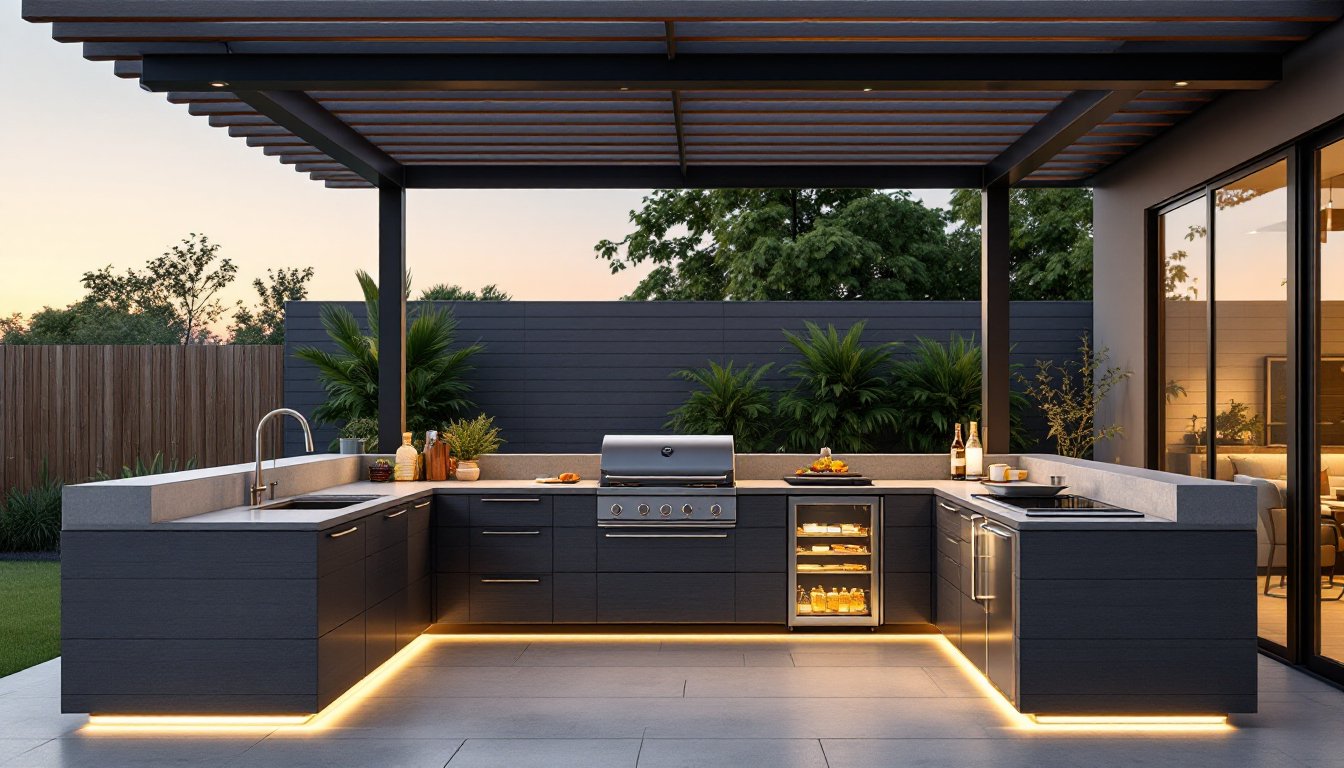
An outdoor kitchen isn’t just a grill parked on a patio anymore. Modern designs integrate full-scale cooking capability, weatherproof materials, and architectural cohesion with the home. These spaces extend the living footprint, raise property value, and make entertaining outdoors less of a logistical scramble. But they also require thoughtful planning, gas lines, electrical runs, drainage, and in many jurisdictions, permits. Done right, a modern outdoor kitchen becomes the hub of backyard life. Done poorly, it’s an expensive monument to wishful thinking.
Table of Contents
ToggleKey Takeaways
- A modern outdoor kitchen combines durable materials like marine-grade stainless steel and porcelain with integrated technology and clean contemporary design to extend living space and increase home value.
- Essential components include a gas grill with at least 60,000+ BTU output, refrigeration, prep sink, and 36+ inches of continuous counter space positioned for efficient workflow.
- Material selection is critical: avoid standard wood and MDF cabinetry in favor of powder-coated stainless steel or HDPE polymer, and choose non-porous countertops like porcelain slabs or sealed concrete.
- Utilities and permitting add complexity and cost—plan for licensed professionals to handle gas lines, electrical work (120V and 240V), water installation below the frost line, and proper drainage systems.
- Budget ranges from $5,000 for basic DIY setups to $50,000+ for fully equipped installations, with mid-range projects at $15,000–$25,000 offering the best balance of functionality and durability.
- Weather protection through solid roofs, pergolas, or retractable canopies and quality warranties ensure a modern outdoor kitchen remains functional and valuable for decades.
What Defines a Modern Outdoor Kitchen?
A modern outdoor kitchen is characterized by clean lines, durable materials, and integrated technology, not rustic stone arches or Tuscan tile murals. Think stainless steel appliances, porcelain slab countertops, frameless cabinetry, and minimal ornamentation. The aesthetic leans contemporary: flush-mounted doors, horizontal plank cladding, poured concrete counters, and LED accent lighting.
Functionality drives the design. Modern layouts prioritize workflow, incorporating the work triangle principle used in indoor kitchens: grill or cooktop, prep sink, and refrigeration positioned for efficient movement. Unlike older outdoor setups that felt like add-ons, modern kitchens are spatially integrated with covered seating areas, fire features, or pools.
Materials withstand the elements without constant upkeep. Marine-grade stainless steel (304 or 316 grade) resists corrosion in humid or coastal climates. Porcelain pavers and slab countertops don’t absorb moisture, resist stains, and handle freeze-thaw cycles. Powder-coated aluminum cabinetry sheds water and won’t warp like wood. If natural materials are used, like teak or ipe, they’re detailed to drain and ventilate, preventing rot.
Technology integration separates modern builds from older ones. Built-in grills with rotisserie burners, infrared sear zones, and smartphone connectivity for temperature monitoring are standard. Many setups include outdoor-rated televisions, Bluetooth speakers, automated lighting, and even wine refrigerators with dual-zone temperature control. The goal is seamless outdoor living, not just cooking.
Essential Features Every Modern Outdoor Kitchen Needs
Premium Appliances and Cooking Equipment
The heart of any outdoor kitchen is the cooking equipment. A built-in gas grill with at least four burners (60,000+ BTU total output) handles most tasks. Look for 304-grade stainless construction with welded seams, not spot-welded sheet metal that corrodes. Infrared burners deliver restaurant-level sear marks and reduce flare-ups.
Beyond the grill, consider a flat-top griddle for breakfast cookouts or smash burgers, and a side burner for sauces or boiling water. Pizza ovens, gas or wood-fired, have surged in popularity. Gas models heat faster and need less babysitting: wood-fired units require a learning curve but deliver authentic char. Both require proper ventilation and clearance from combustibles per manufacturer specs.
Refrigeration is non-negotiable for serious entertaining. Outdoor-rated undercounter refrigerators use sealed, ventilated compressors that tolerate heat and humidity. Standard indoor fridges fail quickly outdoors. Include an ice maker if the budget allows, guests consume ice faster than hosts anticipate.
Don’t forget a prep sink with hot and cold water. It keeps raw meat and oily hands away from the indoor kitchen. Sinks need proper drainage, either tied into the home’s drain system or a drywell if codes permit. Check local plumbing codes: some areas require backflow preventers on outdoor water lines.
Smart Storage and Counter Space Solutions
Counter space is where outdoor kitchens often fall short. Plan for at least 36 inches of continuous counter beside the grill for plating and resting meat. Porcelain slabs, granite, or concrete are the go-to surfaces. Avoid tile with grout lines, they trap grease and mildew. Porcelain is lighter than stone, doesn’t need sealing, and handles direct heat from hot pots.
Cabinetry must be weatherproof. Marine-grade polymer or powder-coated stainless steel cabinets are the most durable. Hinges and drawer slides should be stainless with sealed ball bearings. Avoid MDF, particleboard, or standard plywood, they swell and delaminate. If the design calls for a wood look, specify HDPE (high-density polyethylene) cabinetry made from recycled plastic: it mimics wood grain, never rots, and resists insects.
Include pull-out trash and recycling bins, a propane tank hideaway if using bottled gas, and enclosed storage for grilling tools and condiments. Vertical dividers for trays and cutting boards prevent clutter. Soft-close hinges and drawers add a premium feel and reduce slamming in windy conditions.
Design Styles and Material Choices for Contemporary Outdoor Cooking Spaces
Modern outdoor kitchens embrace several aesthetic directions. Minimalist contemporary uses monochromatic palettes, charcoal, white, black, with stainless appliances and slab surfaces. Texture comes from materials, not ornament: board-formed concrete, brushed metal, or large-format porcelain.
Industrial modern leans into raw materials, blackened steel frames, exposed fasteners, concrete counters with visible aggregate, and Edison-bulb string lights. This style pairs well with urban rooftop or loft-style homes. It’s rugged but needs proper sealing: raw steel rusts without treatment.
Warm modern softens the look with wood accents, natural stone veneers, and warmer metals like brushed bronze or copper. Teak or ipe wood cladding on cabinet faces adds warmth without sacrificing durability. Pair it with honed granite or limestone counters, skip high-polish finishes, which show every water spot and scratch.
For countertops, porcelain slabs top the list for low maintenance and design flexibility. They mimic marble, concrete, or wood with zero porosity. Granite and quartzite are classic but require annual sealing. Poured-in-place concrete offers custom shapes and embedded elements like drain channels or trivets, but needs professional installation and proper reinforcement (rebar or wire mesh).
Cladding and structural materials matter as much as finishes. Steel-stud framing with cement board sheathing provides a rot-proof substrate for tile or stone veneer. Avoid wood framing unless it’s pressure-treated and fully wrapped in a waterproof membrane. Metal studs don’t warp, don’t burn, and don’t attract termites.
Outdoor-rated cabinetry should carry an IP (Ingress Protection) rating if electronics are involved. Look for UV-resistant powder coating and stainless-steel hardware. Cheap cabinet doors warp in a single season of sun and rain.
Planning Your Modern Outdoor Kitchen: Budget and Layout Considerations
Outdoor kitchens range from $5,000 for a basic DIY island with a drop-in grill to $50,000+ for a fully equipped, professionally designed space with gas, electric, water, and drainage. Mid-range projects, $15,000 to $25,000, deliver built-in grills, refrigeration, sink, and durable cabinetry. Regional labor costs and material availability swing these numbers significantly.
Utilities drive complexity and cost. Running a natural gas line requires a licensed plumber and often a permit. Expect trenching, pipe, fittings, and pressure testing. Electric work, 120V for lighting and outlets, 240V for some appliances, must meet National Electrical Code (NEC) Article 210.52(E) for outdoor receptacle placement and GFCI protection. Hire a licensed electrician: DIY electrical work outdoors is a code violation in most jurisdictions and a safety hazard.
Water lines must be installed below the frost line (varies by region, typically 18–48 inches deep) or include freeze-proof sillcocks and seasonal blowout capability. Drainage needs a plan: tie into the home’s drain system with proper venting or install a drywell for graywater where codes allow. Ignoring drainage creates standing water, odor, and insect problems.
Layout follows the same logic as indoor kitchens. Position the grill as the primary work zone, with 24 inches of counter on each side. Place the sink within a few feet for easy cleanup. Refrigeration should be accessible without crossing the cook’s path. Allow 42–48 inches of clearance behind the cook for foot traffic. If the space includes seating, separate it from the cooking zone by at least 36 inches to keep guests safe from splatters and heat.
Permits are likely required. Gas lines, electrical work, plumbing, and structural additions typically need permits and inspections. Covered structures over a certain square footage (often 120–200 sq ft, varies by jurisdiction) may trigger building permit requirements. Check with the local building department before breaking ground. Unpermitted work complicates future home sales and insurance claims.
Weather protection extends the season. A solid roof or pergola with a retractable canopy keeps rain off the cooking surface and allows year-round use in mild climates. In colder regions, consider radiant patio heaters or a built-in fire feature to extend usability into fall and spring. Outdoor kitchens in snow-prone areas need weatherproof covers for appliances during winter months.
Finally, think long-term. Cheap materials and shortcuts show up fast outdoors. Invest in corrosion-resistant fasteners (stainless steel or coated), proper flashing and waterproofing, and quality appliances with strong warranties. A well-built modern outdoor kitchen lasts decades and justifies the upfront cost.
Conclusion
A modern outdoor kitchen is a serious build, not a weekend project. It requires utility planning, weather-resistant materials, and often permits. But when executed with attention to workflow, durability, and design coherence, it transforms how a home is used and enjoyed, and adds measurable value at resale.