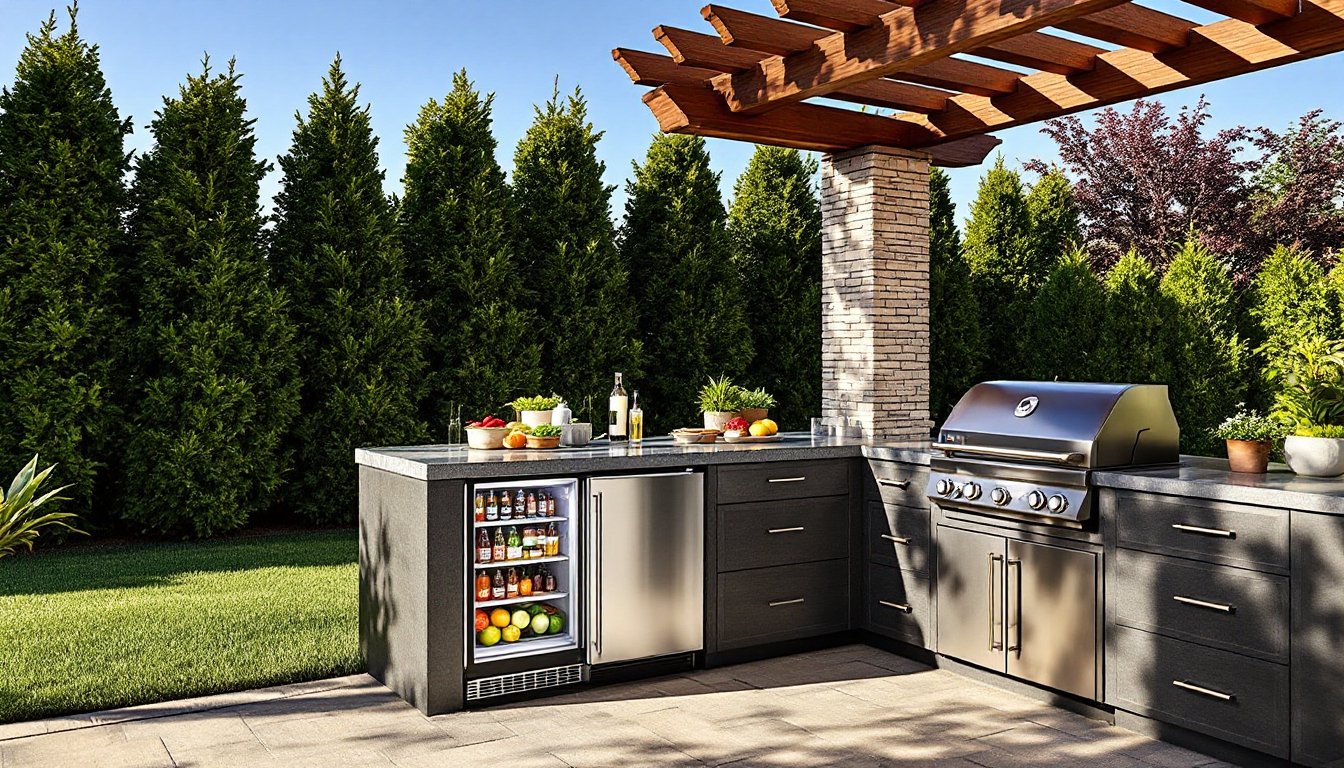
Installing an outdoor kitchen refrigerator transforms backyard entertaining from a logistical hassle into a seamless experience. No more running inside for drinks, condiments, or extra burger patties while guests wait at the grill. But unlike the fridge in a climate-controlled kitchen, an outdoor unit faces rain, humidity, temperature swings, and UV exposure. Choosing the wrong model means throwing money at a rust bucket that quits after one season. The right outdoor refrigerator, but, handles Mother Nature’s worst while keeping food and drinks safely chilled for years. This guide walks through what separates a backyard-ready fridge from a basement bar model, which features actually matter, and how to install and maintain the unit for the long haul.
Table of Contents
ToggleKey Takeaways
- An outdoor kitchen refrigerator eliminates the need to run indoors for drinks and food during entertaining, seamlessly integrating into built-in cabinetry and outdoor kitchen islands.
- Marine-grade stainless steel (304 or 316 grade), weatherproof gaskets, and a compressor rated for 40°F to 110°F ambient temperatures are essential features that separate a reliable outdoor refrigerator from a rust bucket after one season.
- Built-in undercounter models ($800–$2,500) are the most popular choice for custom outdoor kitchens, while freestanding units offer flexibility for patios without integrated counters.
- Proper installation requires a GFCI-protected 120V outlet, correct clearance spacing (2 inches on sides, 4 inches in back for freestanding models), and a level unit to ensure longevity and prevent compressor failure.
- Regular seasonal maintenance—cleaning condenser coils every three to six months, wiping with stainless steel cleaner, and winterizing in freezing climates—keeps your outdoor kitchen refrigerator functional for a decade or more.
- Standard indoor refrigerators placed outdoors void warranties and risk short circuits or compressor failure due to lack of weatherproof seals and moisture-resistant components designed for outdoor environments.
Why You Need a Dedicated Outdoor Refrigerator
A standard indoor refrigerator placed on a covered patio isn’t just a bad idea, it’s a recipe for failure and potential fire hazard. Indoor models lack the weatherproof seals, corrosion-resistant components, and temperature tolerance needed for outdoor environments.
Outdoor refrigerators use marine-grade stainless steel (typically 304 or 316 grade) on exterior panels and hinges. This resists rust from rain and coastal salt air. The compressor and cooling system are designed to function efficiently in ambient temperatures ranging from 40°F to 110°F, whereas indoor units often struggle or shut down above 90°F.
Electrical components in outdoor fridges meet higher moisture-resistance standards. Indoor units placed outdoors risk short circuits, compressor burnout, or worse when humidity or rain infiltrates the system. Most manufacturer warranties void immediately if an indoor fridge is used outside.
Beyond durability, dedicated outdoor refrigerators integrate cleanly into built-in cabinetry and outdoor kitchen islands. They’re designed for front ventilation, allowing them to sit flush in an enclosure without overheating. Indoor fridges require rear or side clearance for airflow, awkward at best in a custom outdoor setup.
For anyone serious about outdoor cooking and entertaining, a purpose-built unit is a non-negotiable investment. It eliminates the constant back-and-forth to the indoor kitchen, keeps beverages and perishables at safe temperatures, and adds real value to the outdoor living space.
Key Features to Look for in an Outdoor Kitchen Refrigerator
Not all outdoor refrigerators are created equal. Focusing on a few critical features separates a reliable workhorse from a costly disappointment.
Weather Resistance and Temperature Range
Stainless steel grade matters. Look for 304 or 316 marine-grade stainless steel on all exposed surfaces, including the door, frame, and hardware. Grade 316 offers superior corrosion resistance in coastal environments due to added molybdenum. Powder-coated steel may look good initially but rusts through within a few seasons.
Sealed gaskets and door hinges prevent moisture intrusion. High-quality outdoor fridges use weatherproof rubber gaskets and self-closing hinges that maintain a tight seal even as the door ages. Check for an IP rating (Ingress Protection) if the manufacturer lists one, IP44 or higher indicates reasonable protection against splashing water.
Temperature performance is non-negotiable. The compressor should maintain 32°F to 40°F internal temperature even when ambient air hits 100°F or more. Some models include a winterization mode for freezing climates, though most outdoor fridges shouldn’t run when temperatures drop below 40°F for extended periods (the compressor oil can thicken and fail).
UV-resistant components protect plastic trim, handles, and control panels from sun damage. If the fridge sits in direct sunlight, cheap plastics will crack and fade within a year.
Storage Capacity and Configuration Options
Capacity ranges from compact 3.0 cubic feet beverage centers to full-size 5.5+ cubic foot models. For typical backyard use, 4.5 to 5.0 cubic feet balances drink and food storage without monopolizing counter space.
Adjustable shelving allows customization for tall bottles, platters, or bulk items. Wire racks promote airflow but can leave marks on packaging. Tempered glass shelves look cleaner and wipe down easily.
Reversible doors matter if the fridge sits at the end of a counter run. Confirm the hinge can swap sides without special tools or additional hardware.
Some units offer dual-zone cooling or separate freezer compartments. These cost more and use additional energy but add genuine versatility for ice storage or frozen items. Single-zone refrigerators suffice for most backyard kitchens focused on drinks and fresh ingredients.
Top Types of Outdoor Refrigerators for Your Space
Three main configurations dominate the outdoor refrigerator market, each suited to different layouts and budgets.
Built-in undercounter models are the most popular choice for custom outdoor kitchens. These install flush into cabinetry or an island, venting from the front. Dimensions typically match standard 24-inch-wide base cabinets, though compact 15-inch and oversized 36-inch options exist. Built-ins look seamless and professional but require careful rough-in measurements and electrical planning. Expect to pay $800 to $2,500 depending on capacity and features.
Freestanding outdoor refrigerators offer flexibility for patios without built-in counters. These units vent from the rear or sides, so they need clearance on at least three sides (check the manufacturer’s specs, usually 2 to 4 inches). Freestanding models cost slightly less than built-ins but sacrifice the integrated aesthetic. They work well on covered porches or under pavilions where the unit sits against a wall but isn’t boxed in.
Beverage coolers and kegerators are specialized outdoor fridges optimized for drinks. Beverage coolers often feature glass doors, interior LED lighting, and racks designed for cans and bottles. Kegerators include a tap system and CO2 tank bracket for draft beer. Both typically run cooler than food-safe temps (often 34°F to 38°F) to keep drinks icy. These make sense for dedicated entertaining spaces but lack versatility for food storage.
For tight budgets or seasonal use, a marine-grade cooler with a 12V compressor can function as a portable outdoor fridge. These aren’t as robust as built-in units, but quality models from reputable brands handle moisture and temperature swings better than indoor mini-fridges.
Installation and Maintenance Best Practices
Proper installation extends the lifespan of an outdoor refrigerator and prevents costly service calls.
Electrical requirements: Most outdoor fridges run on standard 120V, 15-amp circuits. The outlet must be GFCI-protected per the National Electrical Code (NEC Article 210.8). If no GFCI outlet exists near the outdoor kitchen, hire a licensed electrician to install one. Running an extension cord violates code and voids warranties. The outlet should sit above counter height or in a weatherproof box to avoid ground-level moisture.
Ventilation and clearances: Built-in models need front ventilation only, never block the lower grille. Freestanding units require the clearances listed in the manual, typically 2 inches on sides and 4 inches in back. Insufficient airflow causes the compressor to overheat and fail prematurely.
Leveling: Use a 4-foot level and adjust the unit’s feet until it’s plumb in both directions. An unlevel fridge can drain improperly, making the compressor work harder and shortening its life. Most models have adjustable legs: turn them clockwise to raise, counterclockwise to lower.
Weatherproofing the enclosure: If installing in a custom island, use pressure-treated or marine-grade plywood for the cabinet frame and stainless steel or polymer doors. Seal all seams with exterior-grade caulk to prevent water intrusion. Ensure the bottom of the enclosure drains, standing water rots wood and corrodes metal.
Seasonal maintenance: Clean the condenser coils every three to six months using a soft brush or vacuum. Dirty coils force the compressor to run longer, wasting energy and risking burnout. Wipe down the exterior with stainless steel cleaner to prevent water spots and oxidation. In winter, if temps regularly drop below 40°F, empty the fridge, unplug it, and prop the door open slightly to prevent mold.
Safety: Always wear work gloves when handling sharp edges during installation. If cutting into an outdoor kitchen structure, use safety goggles to protect against metal shavings or masonry dust. Never attempt electrical work without turning off the circuit at the breaker panel.
Conclusion
An outdoor kitchen refrigerator isn’t a luxury, it’s a practical upgrade that makes outdoor cooking and entertaining genuinely enjoyable. Prioritize weather-resistant construction, reliable temperature performance, and proper installation over flashy features or rock-bottom pricing. A well-chosen unit, installed correctly and maintained seasonally, will serve reliably for a decade or more.