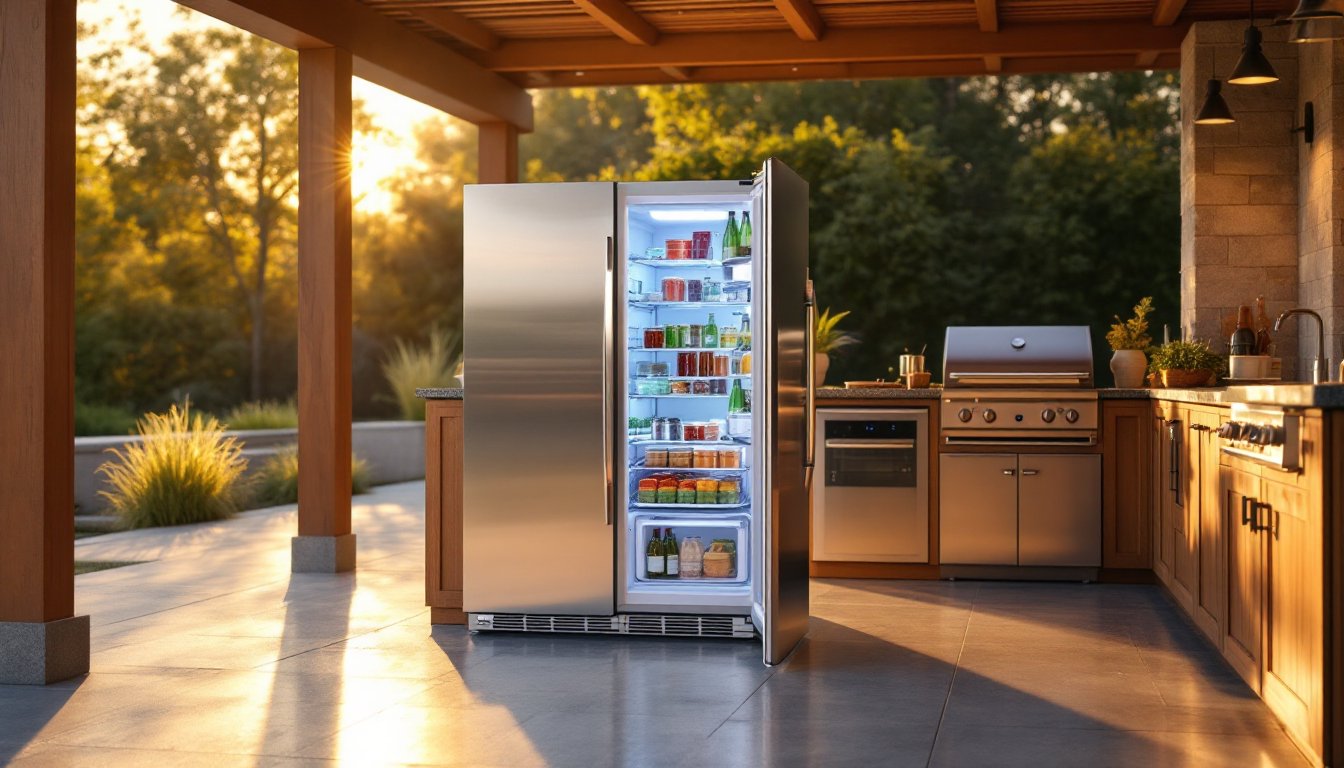
An outdoor refrigerator isn’t just a luxury, it’s a practical upgrade for anyone who spends serious time grilling, entertaining, or cooking outside. Running back and forth to the kitchen for cold drinks and ingredients gets old fast. But tossing a standard indoor fridge on the patio is asking for trouble: moisture, temperature swings, and UV exposure will kill it in a season or two. Purpose-built outdoor refrigerators handle the elements, maintain consistent temps in heat and humidity, and free up valuable indoor space. Whether outfitting a full outdoor kitchen or adding convenience to a deck setup, the right model keeps food safe and drinks cold without the headaches.
Table of Contents
ToggleKey Takeaways
- The best outdoor refrigerator uses weather-resistant 304 or 316-grade stainless steel construction, reinforced seals, and 2-3 inches of foam insulation to survive humidity, UV exposure, and temperature swings that would damage standard indoor models.
- Match outdoor refrigerator capacity (3 to 6+ cubic feet) and storage layout to your actual entertaining patterns—overbuying wastes energy while underbuying means constant restocking trips.
- Proper installation requires adequate ventilation clearance (2-4 inches for freestanding units), GFCI-protected dedicated circuits, level placement, and shade protection to prevent compressor strain and extend equipment lifespan.
- EdgeStar, Blaze, and Summerset offer solid mid-range outdoor refrigerator options ($800–$2,200), while Lynx and Perlick deliver premium durability and performance ($2,500–$4,500) for high-use outdoor kitchens.
- Built-in models vent from the front and integrate into cabinetry, while freestanding units need rear and side clearance—choose the configuration that fits your patio layout and traffic flow.
What Makes an Outdoor Refrigerator Different from Indoor Models?
Outdoor refrigerators are engineered to survive conditions that would wreck a standard kitchen unit. The biggest difference is weatherproofing: outdoor models use stainless steel exteriors (typically 304-grade stainless) that resist rust and corrosion from rain, humidity, and salt air. Seals around doors are reinforced to keep moisture out of the electronics and insulation.
Insulation is beefed up, too. While indoor fridges assume a climate-controlled environment, outdoor units need thicker foam insulation, often 2 to 3 inches, to handle ambient temps that swing from freezing winters to 100°F+ summer afternoons. Compressors are rated for wider temperature ranges, and ventilation is designed to dissipate heat even when the unit’s sitting in direct sun.
Components like hinges, handles, and control panels are also built tougher. Plastic parts get brittle under UV exposure, so outdoor fridges use marine-grade or powder-coated hardware. Electrical systems are sealed to prevent short-circuits from moisture. This isn’t about aesthetics, it’s about durability. An indoor fridge placed outside will corrode, fail to hold temp, and likely void its warranty within months.
Key Features to Consider When Choosing an Outdoor Refrigerator
Weather Resistance and Insulation
Stainless steel construction is non-negotiable. Look for 304 or 316-grade stainless steel on all exterior surfaces, 316 is the premium choice for coastal areas where salt air accelerates corrosion. Check that the door, frame, and cabinet are stainless, not just a façade over painted steel.
Weatherproof seals and gaskets should be inspected regularly. High-quality units use replaceable magnetic gaskets that keep rain and bugs out. If the manufacturer doesn’t specify gasket material or provide replacements, that’s a red flag.
Insulation thickness directly impacts energy efficiency and temperature stability. Units with at least 2 inches of closed-cell foam insulation will hold temps better when the sun’s beating down. Some high-end models double-insulate the door for extra protection.
Temperature range matters if the fridge will operate year-round in extreme climates. Most outdoor fridges function reliably between 40°F and 110°F ambient, but cold-weather performance varies. If temps regularly drop below freezing, look for models with cold-weather kits or garage-rated compressors that won’t stall.
Capacity and Storage Configuration
Outdoor fridges range from compact 3-cubic-foot beverage centers to full-size 6+ cubic-foot models with freezer compartments. Match capacity to actual use, overbuying wastes energy and space, underbuying means constant restocking trips.
Shelving and layout should fit what gets stored most. Adjustable wire shelves work for varied bottle and container sizes. If entertaining large groups, prioritize models with removable shelves or slide-out trays for easy access to cases of drinks. Some units include dedicated can racks or wine bottle holders, which are useful if that’s the primary load.
Door swing direction is easy to overlook until installation. Most outdoor fridges offer reversible doors or left/right hinge options. Measure the space and visualize traffic flow, an outswing door that blocks the grill or walkway is a daily annoyance.
Built-in vs. freestanding configuration impacts ventilation and placement. Built-in models vent from the front and can be installed flush with cabinetry or under counters. Freestanding units need clearance on sides and back for airflow, typically 2 to 4 inches. Forcing a freestanding fridge into a tight built-in space will overheat the compressor and shorten its lifespan.
Top Outdoor Refrigerator Options for 2026
EdgeStar 3.1 Cu. Ft. Outdoor Beverage Cooler is a solid entry-level choice for patios and decks. With 304-grade stainless construction and a 40–110°F operating range, it handles most climates. The interior holds about 80 standard cans with adjustable shelves. It’s freestanding, so plan for rear clearance. Priced around $800–$1,000 (depending on retailer and sales), it’s a budget-friendly option that doesn’t compromise on weatherproofing.
Blaze 4.5 Cu. Ft. Outdoor Rated Refrigerator steps up with a front-venting design suitable for built-in installations. It features heavy-duty hinges, double-pane glass door for better insulation, and a reversible door swing. Capacity accommodates both drinks and food storage. Temperature control is digital and precise. Expect to pay $1,200–$1,500. It’s a workhorse for mid-size outdoor kitchens where reliability and fit matter.
Lynx 24-Inch Outdoor Refrigerator is built for serious outdoor cooking setups. 316-grade stainless steel resists salt air and harsh weather. The 5.3-cubic-foot interior includes adjustable shelving and interior lighting. Front venting allows seamless integration into cabinetry. Sealed back panel protects electrical components from moisture. This unit handles ambient temps up to 110°F without breaking a sweat. Pricing sits around $2,500–$3,000, but durability and performance justify the investment for high-use environments.
Summerset Outdoor Refrigerator (5.3 Cu. Ft.) offers excellent value in the mid-to-high range. Dual-pane tempered glass door, 304 stainless construction, and front-venting design make it versatile for built-in or freestanding use. Interior features three adjustable shelves and soft LED lighting. Energy-efficient compressor keeps operating costs reasonable. Runs around $1,800–$2,200 depending on retailer.
Perlick HP24RO Signature Series is the premium pick. Stainless steel interior and exterior, RapidCool forced-air system, and commercial-grade compressor deliver restaurant-level performance. The 2.8-inch insulation and sealed back handle extreme conditions. Integrated door lock and reversible hinging add flexibility. At $3,500–$4,500, it’s expensive, but longevity and consistent temps make it the top choice for dedicated outdoor kitchens.
Installation and Placement Tips for Maximum Performance
Site selection starts with shade. Direct sun all day forces the compressor to work overtime, shortening its life and spiking energy use. If shade isn’t an option, consider a pergola, awning, or cabinet enclosure to block UV and reduce heat load.
Ventilation clearances are critical. Freestanding models need 2 to 4 inches of space on sides and back for airflow. Built-in units vent from the front but still require adequate top clearance, check the manufacturer’s specs. Blocking vents will overheat the compressor and void the warranty.
Electrical requirements usually call for a dedicated 115V, 15-amp circuit. Outdoor receptacles must be GFCI-protected per NEC guidelines to prevent shock hazards. If the circuit isn’t already in place, hire a licensed electrician, outdoor wiring requires weatherproof boxes, conduit, and proper grounding. Don’t run an extension cord from the house: it’s unsafe and against code.
Leveling the fridge ensures the door seals properly and the compressor drains correctly. Use a 4-foot level and adjust the front leveling legs until the unit is plumb side-to-side and front-to-back. A fridge that’s off-level won’t cool evenly and may develop condensation issues.
Covering or winterizing depends on climate. In areas with harsh winters, some homeowners shut down and cover the fridge to protect it from ice and snow. Others run it year-round using a cold-weather kit if available. Consult the owner’s manual for recommended procedures, improper winterization can damage seals and lines.
Conclusion
Choosing the best outdoor refrigerator comes down to matching construction quality, capacity, and features to the specific environment and use. Prioritize weatherproof materials, adequate insulation, and proper ventilation. Whether selecting a budget beverage cooler or a high-end built-in unit, investing in a purpose-built outdoor model pays off in reliability and performance for years to come.