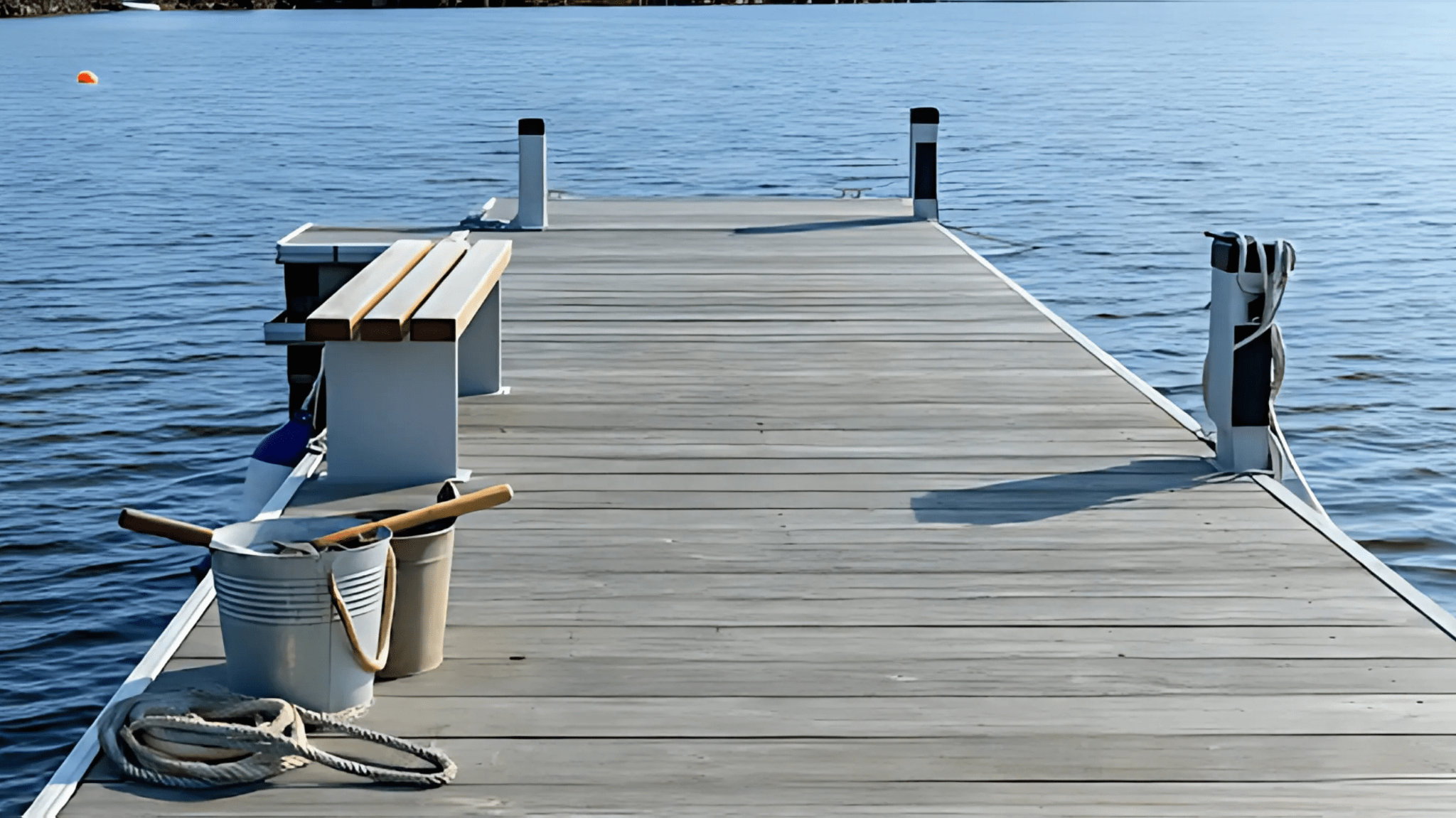
Spring is the perfect time to step onto your dock, breathe in the crisp air, and set the stage for a season on the water. A thoughtful inspection and tune-up now will pay off all year, keeping your structure safe, functional, and ready for everything from quiet mornings to busy weekends with friends.
Table of Contents
ToggleWhy Spring Dock Maintenance Matters
Dock systems bear the brunt of winter: ice, shifting water levels, wind, and constant moisture. Addressing wear early helps prevent costly mid-season failures, reduces safety risks, and keeps your shoreline access dependable. A clear, methodical checklist lets you spot issues, make smart fixes, and get back to enjoying the water with confidence.
A Step-by-Step Spring Checklist
Structural Assessment
Start with the bones of the dock. Look for movement, cracks, and stress points that suggest winter damage. Pay close attention where materials change—deck-to-frame, frame-to-piling, and piling-to-bottom interfaces.
● Scan for heave damage, racked sections, or uneven panels that hint at shifting support.
● Inspect pilings and posts for rot, splits, spalling, or marine borer activity.
● Check welds, brackets, and joint plates for cracks or elongation around bolt holes.
● Examine flotation drums or foam for leaks, waterlogging, or UV-brittled surfaces.
If a section feels spongy or flexes more than adjacent areas, isolate the issue before loading the dock with gear or guests.
Decking and Surface Care
Decking takes constant sun and splash. Wood boards may cup or check, composites can grow slick films, and fasteners can back out with thermal cycling. Replace cracked or punky boards, reset proud screws, and pressure wash surfaces to remove algae and grit. For wood, consider a marine-grade water repellent or stain that suits your climate; for composite, use the manufacturer’s cleaner and a soft brush to avoid scratching.
Hardware, Fasteners, and Fittings
Bolts, nuts, washers, and hangers keep everything tied together. Salt, brackish water, and dissimilar metals accelerate corrosion, so tackle it early. Replace zinc-plated hardware that shows red rust with 316 stainless in marine splash zones, and use nylon or fiber washers to isolate dissimilar metals where possible. Apply anti-seize on stainless threads to prevent galling and torque to spec. Keep a small bin of spare lag screws, carriage bolts, lock nuts, and clevis pins in a labeled container for quick fixes.
Flotation and Pilings
Stable flotation means stable footing. Confirm flotation barrels are sealed, free of fractures, and appropriately buoyant under load. If foam blocks are used, ensure they’re encapsulated as required by local rules to prevent fragmentation. For fixed docks, check pile sleeves and caps, confirm embedment depth is still appropriate after winter scouring, and tighten or shim pile guides as needed to eliminate slop that can wear components.
Electrical, Water, and Lighting
Shore power and lighting bring convenience but require caution. Test GFCI outlets with a plug-in tester, confirm weatherproof covers are intact, and inspect cables for nicks, cracks, or UV damage. Verify conduit supports haven’t loosened and junction boxes are dry. For water lines, check hose bibs for leaks, rewrap threads with PTFE tape, and flush lines to clear sediment. Clean light lenses, replace failed bulbs or salt-corroded fixtures, and confirm photo sensors or timers work properly.
Ladders, Cleats, and Safety Gear
Boarding ladders, swim platforms, and tie-off points should feel rock solid. Wobble indicates loose fasteners or backing plates too thin for repeated loads. Replace brittle plastic ladder steps with UV-stable parts and confirm all cleats are through-bolted with backing plates, not just lagged into decking.
- Replace cracked dock lines and add chafe guards where lines cross rough edges.
- Check fenders for slow leaks and clean salt crystals that can abrade gelcoat.
- Inspect life rings, throw bags, and first-aid kits; restock anything missing.
- Confirm ladders deploy smoothly and reach deep enough for an easy climb-out.
Shoreline, Anchors, and Gangways
If your dock is anchored with chain, mushroom anchors, screw anchors, or weighted cribs, inspect for abrasion and corrosion. Replace chain sections showing 10% or more loss in thickness and upgrade shackles to stamped, load-rated hardware. Verify gangway rollers and hinges move freely, and adjust the gangway angle to match spring water levels for safe footing.
Clean, Treat, and Protect
A thorough clean does more than improve looks—it reduces slip hazards and slows decay. Wash bird droppings, tannins, and algae with a dock-safe cleaner, then rinse into vegetated buffer areas rather than directly into the water when possible. For wood, let the surface dry, sand splinters, and apply finish per label directions. For aluminum, use a pH-appropriate cleaner and a soft brush. Coat exposed fasteners with a light corrosion inhibitor if recommended for your hardware.
Boats and Motors: Ready to Go
A smooth start to the season depends on a reliable engine and tidy storage. Before launch, inspect fuel lines for brittleness, prime the system, and verify proper cooling water flow on the hose. Keep a small kit of outboard motor parts—spark plugs, an impeller, and a fuel filter—so minor engine hiccups don’t cancel a perfect lake day. Stow the kit in a dry box on the dock or in the boathouse, along with basic tools and spare fuses.
Paperwork and Local Rules
Many lakes and coastal communities update dock ordinances and invasive species policies annually. Confirm your permit is current, your dock ID numbers are visible where required, and your setup follows any spring thaw restrictions. If you trailer a boat, review decontamination rules to prevent the spread of zebra mussels or other invasive species.
Common Spring Issues and Practical Fixes
Slippery Surfaces and Algae
Cold, low-sun months invite slick growth. Treat small patches with a biodegradable, dock-safe cleaner and a stiff brush, then rinse away from open water when possible. Improve traction with textured treads on high-traffic areas and keep organic debris cleared so surfaces dry faster between splashes.
Loose Boards and Squeaks
Thermal cycling loosens fasteners. Back out squeaky screws, dab the threads with a bit of sealant if appropriate for your material, and reset to snug—not over-tight—to avoid stripping. Where boards repeatedly loosen, upgrade to through-bolting with washers and lock nuts or install hidden fastener systems rated for marine use.
Corrosion and Galvanic Pitting
Stainless next to aluminum or copper in a salty environment can create a battery of sorts. Add isolating washers or bushings, match metals when possible, and use marine-grade sealants to limit trapped water. Inspect sacrificial anodes on boat lifts and metal frames; replace when they’re 50% consumed.
Ice, Heave, and Low-Water Surprises
Shifting ice can rack frames and stretch connections. Realign frames, replace bent brackets, and consider flexible couplers in spots that see seasonal movement. If winter drawdown left your fixed dock sitting higher than usual above spring water, add a temporary step, adjust the gangway, or plan a mid-season tweak as levels stabilize.
Maintenance Schedule and Pro Tips
Quick Monthly Touch-Ups
Set a 15-minute routine: pick up debris, check the trash strainer on any utility pump, coil lines, and give high-wear cleats and ladders a once-over. This small habit catches issues before they become projects and keeps your dock tidy for impromptu afternoons on the water.
When to Call a Pro
Bring in a qualified marine contractor for structural movement you can’t easily trace, significant piling rot, electrical faults you can’t isolate with a tester, or flotation that lists under light load. Pros have the lift gear, permits knowledge, and specialty parts to correct problems safely and quickly, often saving money compared to repeated DIY attempts.
Materials, Sustainability, and Local Conditions
Choosing and Caring for Materials
- Wood: Pressure-treated lumber remains popular; sealing and regular inspections help resist rot. Use stainless or coated fasteners specified for treated wood to avoid reactions.
- Composite: Resists rot and splinters but still needs cleaning; follow brand guidance to protect finish and warranty.
- Aluminum and Steel: Strong and modular; rinse after salt exposure and monitor welds and hardware for early signs of wear.
Water Quality and Wildlife
Be a good neighbor to the shoreline. Keep cleaners dock-safe and avoid washing debris directly into the water. Use dark, fish-friendly lighting where applicable to reduce glare into the water column. Secure trash and fishing line to protect birds and aquatic life.
Ready for Launch
A steady, systematic spring check brings peace of mind and fewer surprises when the season gets busy. With core structure sound, surfaces tidy, and utility systems tested, your dock is set for morning paddles, family swims, and sunset tie-ups. Add a small stash of essential spare parts and a simple monthly routine, and you’ll keep your waterfront running smoothly from the first warm weekend to the last crisp evening.